Tesla's per-car profit tumbled to $2,140, partly due to tariffs.
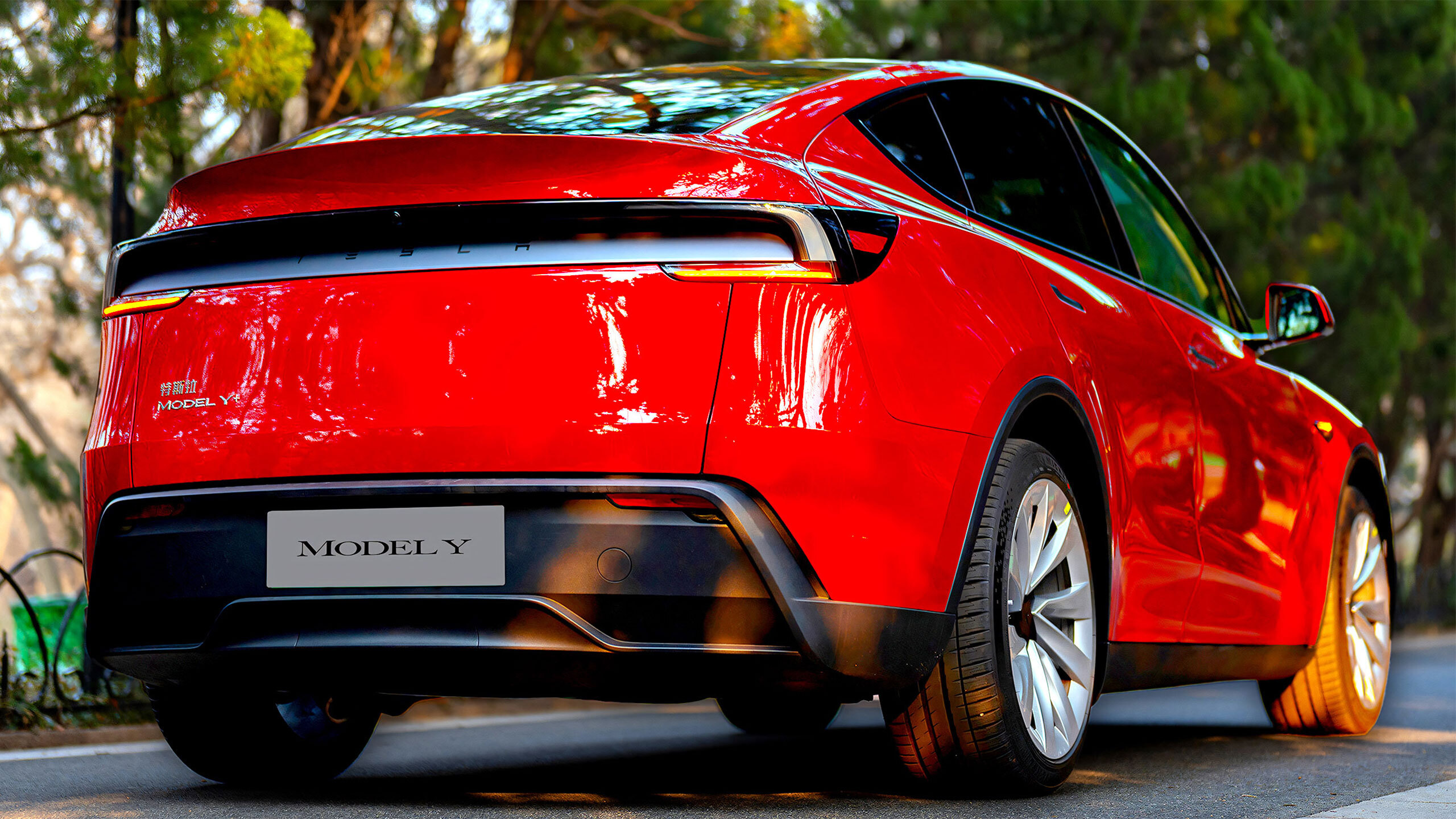
Tesla's per-car profit has fallen to $2,140, a notable decrease. This decline indicates that the company is earning less on each vehicle it sells. A significant contributing factor to this reduction in profitability is the impact of tariffs, which increase the cost of goods for the company.
This development is important because it highlights potential margin pressure for Tesla. Lower per-car profits can affect the company's overall profitability and financial health. It also sets a precedent for other electric vehicle (EV) manufacturers, suggesting they may face similar challenges from trade barriers.
The mechanism behind this involves tariffs increasing the cost of imported components or finished vehicles for Tesla. These higher costs directly reduce the profit margin on each car sold, assuming selling prices do not increase proportionally. This squeeze on margins impacts the company's bottom line.
This news primarily moves Tesla (TSLA) as it directly impacts their profitability metrics. It could also indirectly affect other EV manufacturers like Rivian (RIVN) and Lucid (LCID) by signaling potential industry-wide margin pressures from tariffs and trade barriers, especially those with international supply chains or sales.
Excalium Agent
An AI breakdown of exactly what changed and who it moves.