Apple, Samsung benefit from memory shortage, low smartphone shipments
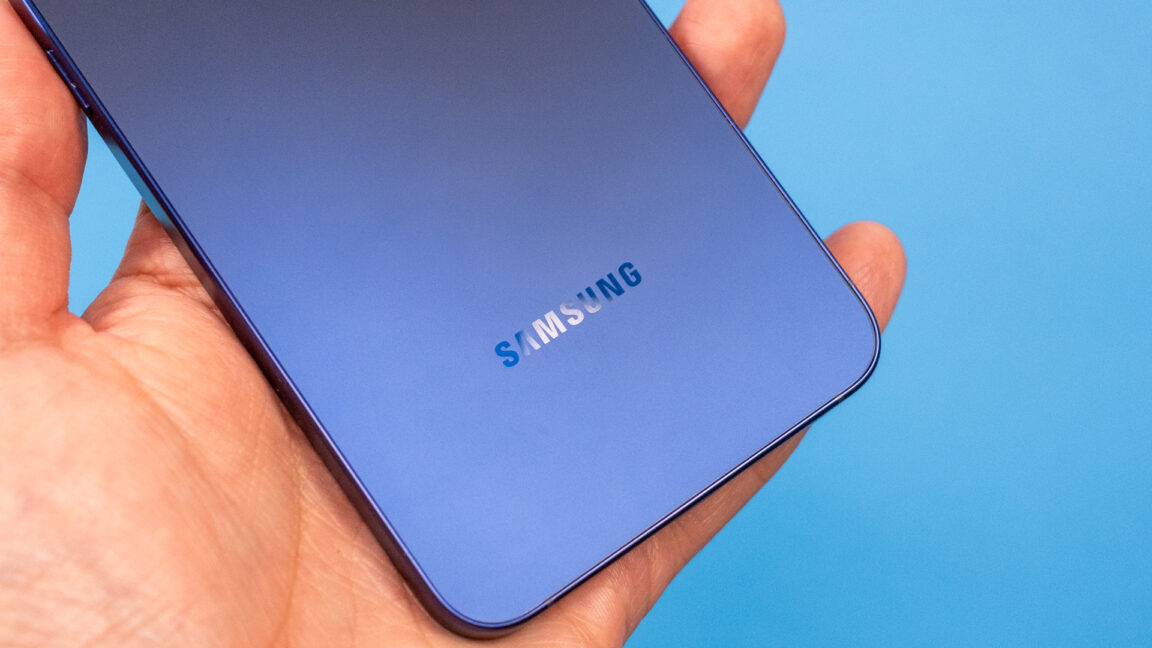
Despite a general slowdown in smartphone shipments and persistent component shortages, major manufacturers like Apple and Samsung are showing resilience. This challenging market environment, characterized by supply chain disruptions and economic uncertainty, appears to be impacting smaller competitors more significantly, allowing the larger players to maintain or even strengthen their positions.
This situation matters because it suggests a potential consolidation of market share within the smartphone industry. While overall demand may be soft and component availability constrained, the dominant companies are better equipped to navigate these headwinds. Their scale and established supply chains likely give them an advantage in securing limited components and managing costs.
The mechanism at play involves the larger companies' ability to leverage their purchasing power and strategic relationships with suppliers to secure necessary memory and other components, even amidst shortages. Smaller manufacturers, facing higher costs and less reliable supply, may struggle to produce devices, leading to a shift in market share towards the more resilient giants.
This dynamic primarily moves Apple (AAPL) and Samsung (005930.KS) as they are positioned to benefit from increased market share or at least greater stability compared to competitors. Semiconductor memory suppliers, such as Micron Technology (MU) or SK Hynix (000660.KS), could also be affected as their sales mix might shift towards these larger, more stable customers, potentially influencing pricing and order volumes.
Excalium Agent
An AI breakdown of exactly what changed and who it moves.