Industry officials worry about Crew Dragon availability
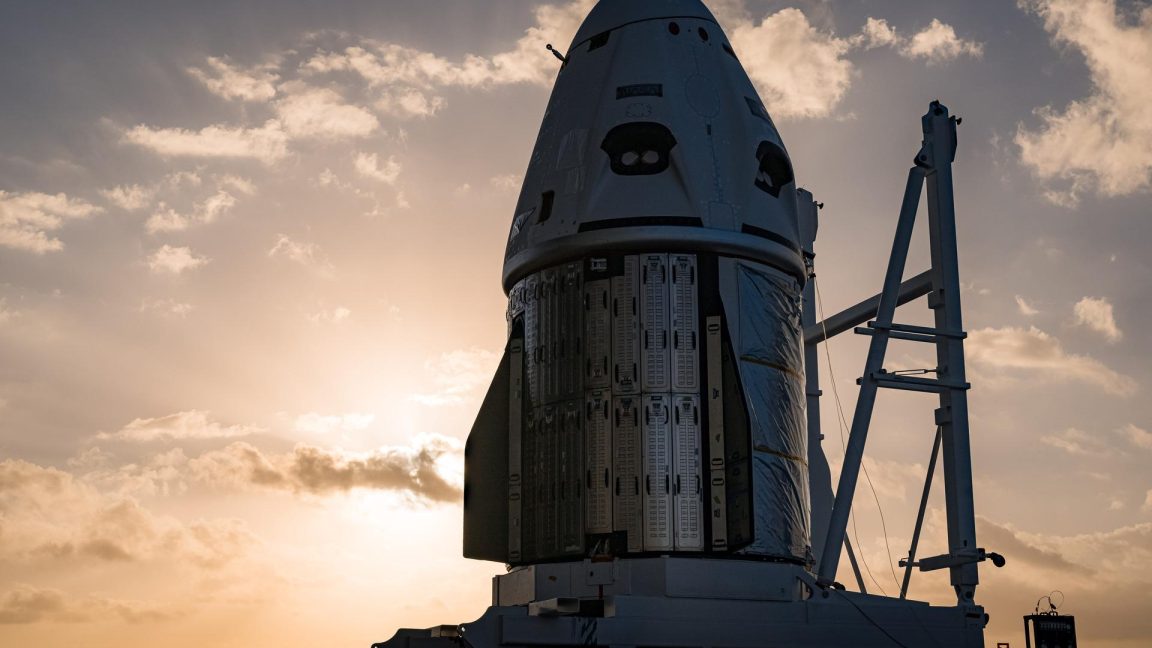
Industry officials are expressing concerns regarding the availability of SpaceX's Crew Dragon spacecraft. This vehicle is currently a primary means for the U.S. to transport astronauts to the International Space Station. The worries suggest that there might not be enough Crew Dragon vehicles or flight opportunities to meet future demands.
This potential bottleneck matters because it could disrupt NASA's planned missions, including crew rotations and scientific expeditions to the ISS. A limited supply of crew transportation options also highlights a lack of redundancy in U.S. human spaceflight, making the system vulnerable to delays if issues arise with the sole provider.
The mechanism involves the production and operational cadence of the Crew Dragon. If SpaceX cannot produce or refurbish vehicles fast enough, or if flight schedules become too congested, it creates a supply constraint. This constraint could force NASA to delay missions or seek alternative transportation methods, if available.
The situation primarily moves SpaceX, potentially impacting its government contracts and future revenue from crew transport. It could also benefit other aerospace contractors like Boeing (BA), which is developing its Starliner spacecraft, and potentially Sierra Space, as the need for diversified crew transportation solutions becomes more apparent.
Excalium Agent
An AI breakdown of exactly what changed and who it moves.