SpaceX targets July 16 for Starship Flight 13
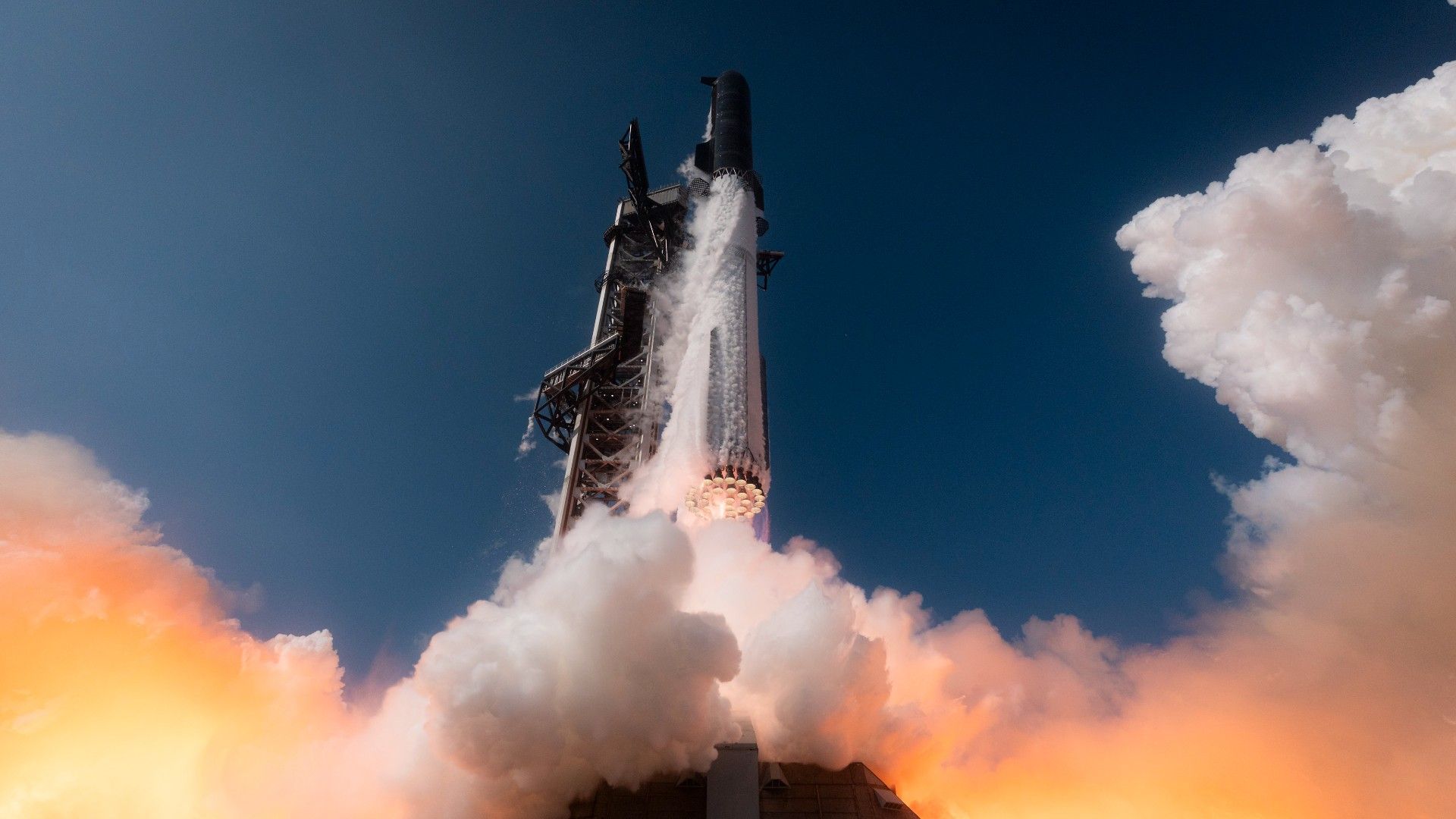
SpaceX is targeting July 16 for the thirteenth flight of its Starship rocket. This indicates ongoing development and testing of the Starship system, which is a critical component of SpaceX's future ambitions. Each flight test provides valuable data for refining the design and operational procedures of the reusable launch vehicle.
This development matters because Starship is central to SpaceX's long-term strategic goals. It is designed to be a fully reusable transportation system capable of carrying both crew and cargo to Earth orbit, the Moon, and Mars. Its success is vital for expanding SpaceX's capabilities beyond its current Falcon rocket family.
The mechanism involves iterative testing and refinement. Each flight aims to validate specific aspects of Starship's performance, from engine operation and ascent to re-entry and landing. Successful tests bring SpaceX closer to operational readiness for commercial missions, including satellite deployment, space tourism, and government contracts for lunar and Martian exploration.
Continued progress with Starship development could impact SpaceX (private company) by enabling new revenue streams from heavy-lift launches, deep-space missions, and human spaceflight. It also strengthens its competitive position against other aerospace companies like Boeing (BA) and Lockheed Martin (LMT) in the evolving space economy.
Excalium Agent
An AI breakdown of exactly what changed and who it moves.