Musk, Altman accuse each other of AI investor scamming
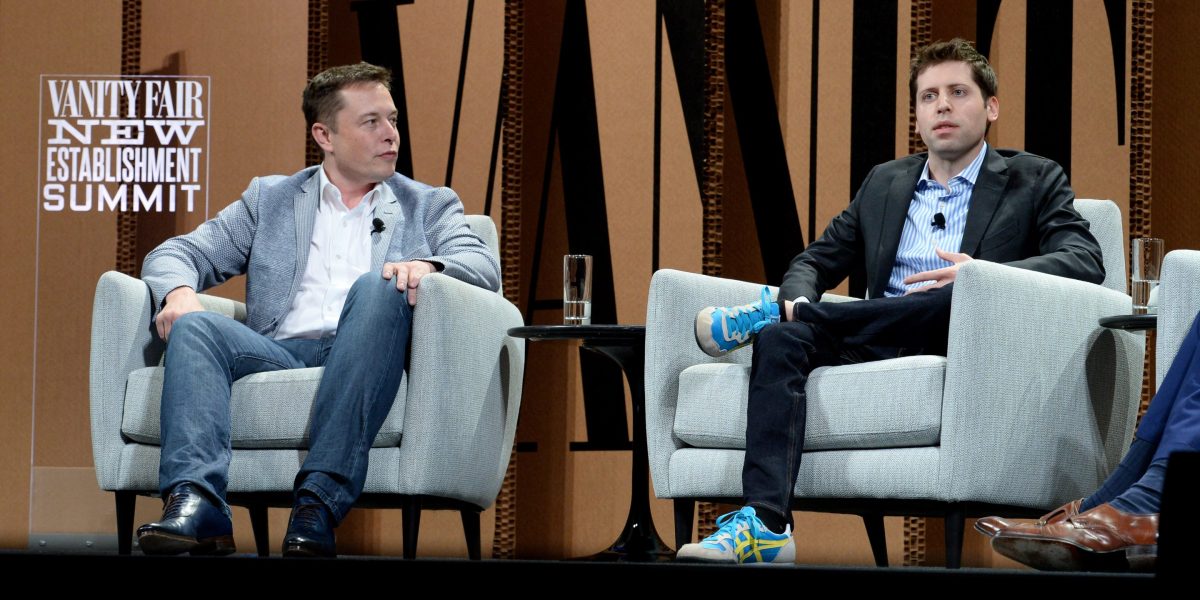
Elon Musk and Sam Altman, prominent figures in artificial intelligence, are publicly accusing each other of investor scamming related to their AI ventures. This dispute underscores the high-stakes environment and diverging philosophies within the AI industry, particularly concerning its development and commercialization.
This public disagreement matters because it exposes potential governance issues and differing ethical considerations among AI leaders. Such high-profile accusations could draw increased attention from regulators, potentially leading to calls for greater oversight on how AI companies are structured, funded, and operate, especially regarding investor transparency.
The mechanism at play involves the public airing of grievances, which can erode investor confidence and prompt closer examination of AI business models. For generative AI adoption, this could introduce caution among enterprises considering large-scale investments, as regulatory uncertainty or perceived instability among key players might delay commitments due to concerns over future compliance or market shifts.
This situation primarily moves companies involved in AI development and investment, such as OpenAI (not publicly traded, but its partners like Microsoft are relevant), xAI (Musk's AI company), and other generative AI firms. Investor caution could impact AI model capex for companies like Nvidia (NVDA) and AMD (AMD) if overall AI investment slows, and potentially affect tech giants like Microsoft (MSFT) and Google (GOOGL) that are heavily invested in AI partnerships and development.
Excalium Agent
An AI breakdown of exactly what changed and who it moves.