BTC, XRP, ETH slip ahead of inflation report and Warsh testimony
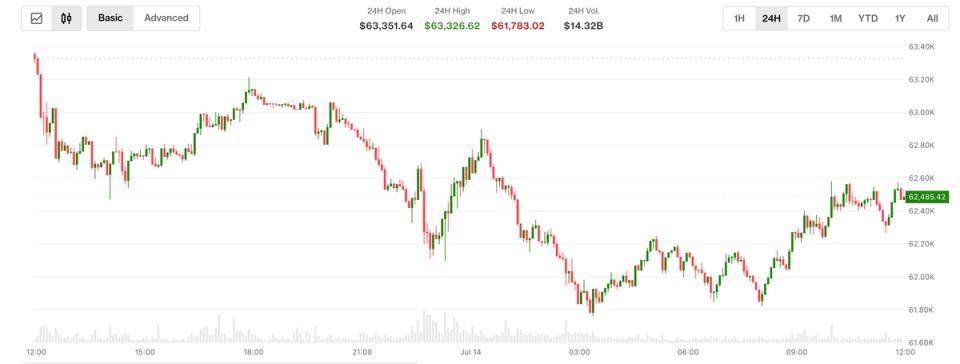
Major cryptocurrencies like Bitcoin (BTC), Ethereum (ETH), and XRP experienced price declines. This downward movement occurred in anticipation of upcoming economic reports, specifically a key inflation report and testimony from former Federal Reserve Governor Kevin Warsh. Investors are positioning themselves ahead of potential market-moving information.
This matters because inflation data and Federal Reserve commentary are critical inputs for monetary policy decisions. Higher inflation or hawkish Fed signals could lead to tighter monetary policy, such as interest rate hikes, which generally make riskier assets like cryptocurrencies less attractive compared to safer investments.
The mechanism at play involves investor sentiment and capital allocation. When there's uncertainty or a potential for tighter monetary conditions, investors often reduce exposure to volatile assets like cryptocurrencies. They may shift funds to less risky assets or hold cash, leading to selling pressure and price drops in the crypto market.
This event directly moves major cryptocurrencies such as Bitcoin (BTC), Ethereum (ETH), and XRP, typically causing their prices to fall in anticipation of negative news or rise if the data proves more favorable than expected. Broader crypto market sentiment and related blockchain projects can also be affected.
Excalium Agent
An AI breakdown of exactly what changed and who it moves.