Tesla tears down Model S/X factory in 46 days
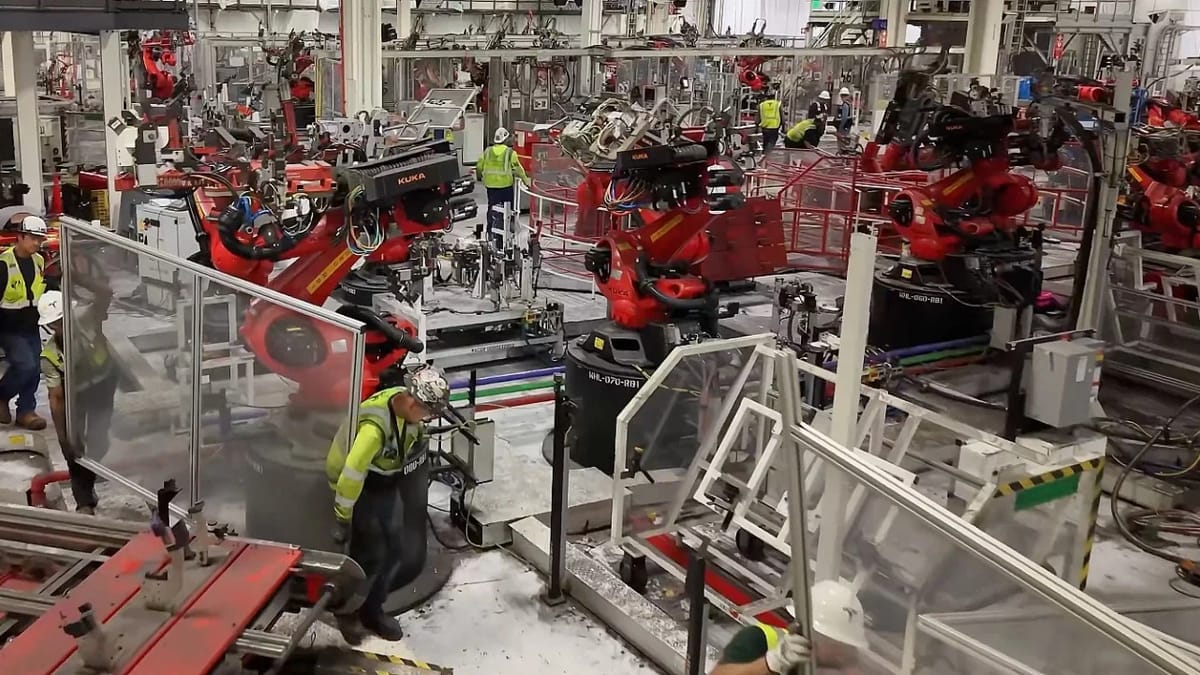
Tesla rapidly demolished its Model S and Model X production lines at its Fremont factory, completing the teardown in just 46 days. This swift action indicates a significant strategic pivot in the company's manufacturing priorities and facility utilization. The demolition suggests a move away from older production setups for these specific models.
This event matters because it signals Tesla's intensified focus on optimizing its production capabilities, potentially for newer models or more efficient manufacturing processes. Such a strategic shift could lead to changes in future vehicle output, potentially increasing capacity for high-demand models, and could also impact the company's overall cost structure by streamlining operations.
The mechanism behind this move is Tesla reallocating factory space and resources. By dismantling the Model S/X lines, Tesla frees up valuable real estate and capital within its Fremont plant. This allows for the installation of new machinery, retooling for different vehicle architectures, or optimizing the layout for enhanced automation and production speed for other vehicle lines.
This development directly impacts Tesla (TSLA) by potentially shifting its production mix and cost efficiencies. It could signal increased future capacity for models like the Model 3, Model Y, or upcoming vehicles, depending on what replaces the demolished lines. The move might also influence supplier relationships tied to the older Model S/X production processes.
Excalium Agent
An AI breakdown of exactly what changed and who it moves.