Fed's Warsh vows 'unambiguous' commitment to drive down inflation
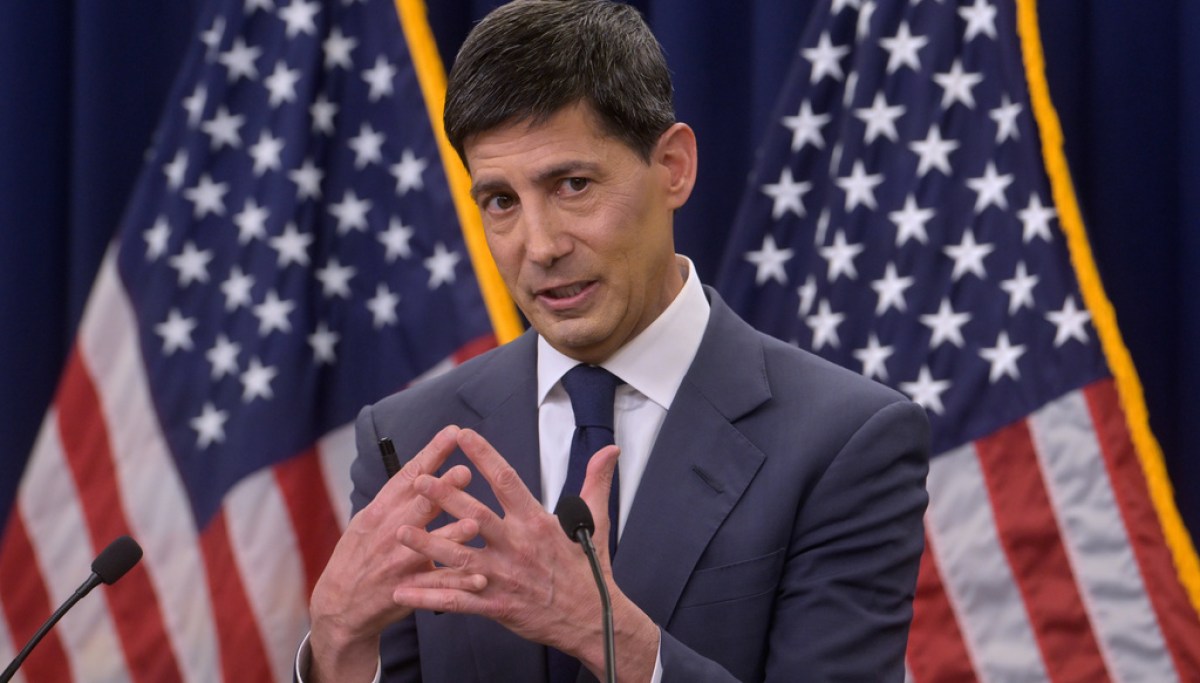
Federal Reserve official Kevin Warsh recently stated an "unambiguous" commitment to reducing inflation. This indicates the Federal Reserve's firm stance on its current monetary policy. The statement signals that the central bank intends to continue its efforts to bring inflation down to its target levels, reinforcing expectations for ongoing policy actions.
This commitment matters because it suggests that the Federal Reserve will likely maintain its hawkish posture. Investors and businesses should anticipate that interest rate hikes are probable to continue. The Fed's primary goal is to cool down an overheated economy and bring price stability, even if it means impacting economic growth in the short term.
The mechanism through which the Fed acts is by adjusting the federal funds rate. Raising this benchmark rate increases borrowing costs across the economy, from mortgages to business loans. Higher borrowing costs tend to reduce consumer spending and business investment, thereby slowing economic activity and, in theory, curbing inflation.
Continued hawkishness from the Fed typically impacts interest-rate-sensitive sectors. Companies in real estate, such as homebuilders like D.R. Horton (DHI) and Lennar (LEN), may face headwinds due to higher mortgage rates. Banks like JPMorgan Chase (JPM) and Bank of America (BAC) could see mixed effects, benefiting from wider net interest margins but potentially facing increased loan defaults if a recession occurs. Growth stocks, often valued on future earnings, may also see pressure.
Excalium Agent
An AI breakdown of exactly what changed and who it moves.