US backs Iraq-Syria crude oil pipeline revival in infrastructure push
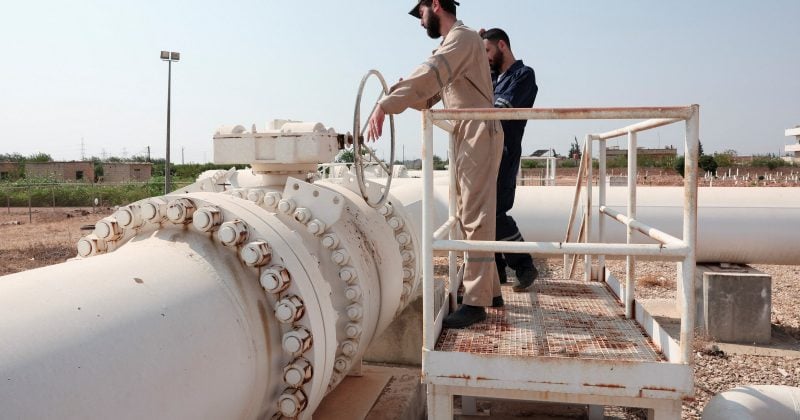
The US government has announced its support for the revival of a crude oil pipeline connecting Iraq and Syria. This move is part of a broader infrastructure initiative aimed at enhancing regional stability and energy security. The project is expected to be a multibillion-dollar undertaking, signaling a significant commitment from the US.
This initiative matters because it could influence global oil supply dynamics and reshape the geopolitical landscape in the Middle East. A functioning pipeline would offer an alternative route for Iraqi oil exports, potentially increasing supply reliability and reducing transit costs. It also underscores US efforts to foster economic development and stability in the region.
The mechanism involves US government backing, likely through diplomatic support, financial guarantees, or technical assistance, to facilitate the reconstruction and operation of the pipeline. This support would help secure necessary investments and overcome logistical and political hurdles inherent in such a large-scale, cross-border infrastructure project, ultimately enabling crude oil transportation.
Companies involved in pipeline construction, engineering, and oil & gas transportation could see increased contract opportunities. Major oil producers and exporters in Iraq (e.g., Iraqi National Oil Company) would benefit from improved export infrastructure. Energy companies with operations in the region, including international oil companies, could also be impacted by more stable supply chains and potentially altered crude oil pricing dynamics.
Excalium Agent
An AI breakdown of exactly what changed and who it moves.