China central bank injects 426.5B yuan to boost liquidity
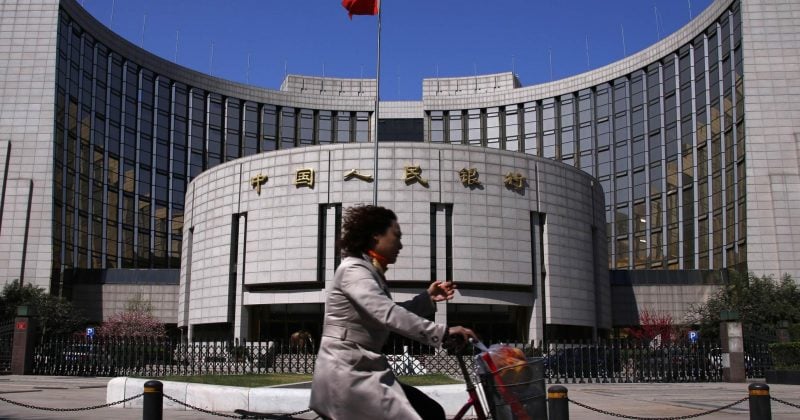
The People's Bank of China (PBOC) injected 426.5 billion yuan (approximately $59 billion USD) into the financial system. This action is a liquidity injection, meaning the central bank is providing more cash to commercial banks. This move aims to increase the money supply available for lending and investment within the Chinese economy.
This liquidity injection matters because it signals the PBOC's commitment to supporting economic growth and maintaining financial stability in China. By making more funds available, the central bank hopes to stimulate borrowing, investment, and consumption, which are crucial for economic expansion. It also suggests concerns about potential liquidity shortages or a slowdown.
The mechanism typically involves the PBOC conducting open market operations, such as purchasing securities from commercial banks or offering short-term loans. This provides banks with additional reserves, which they can then lend out to businesses and consumers. The goal is to lower interbank lending rates and encourage broader economic activity.
This action primarily moves Chinese financial markets, potentially boosting sentiment for Chinese equities (e.g., FXI, MCHI) and bonds by signaling government support. It could also influence companies with significant exposure to the Chinese economy, such as global manufacturers or commodity producers, by potentially increasing demand for their products and services in China.
Excalium Agent
An AI breakdown of exactly what changed and who it moves.