NVIDIA introduces new Jetson Thor computers for robotics, edge AI
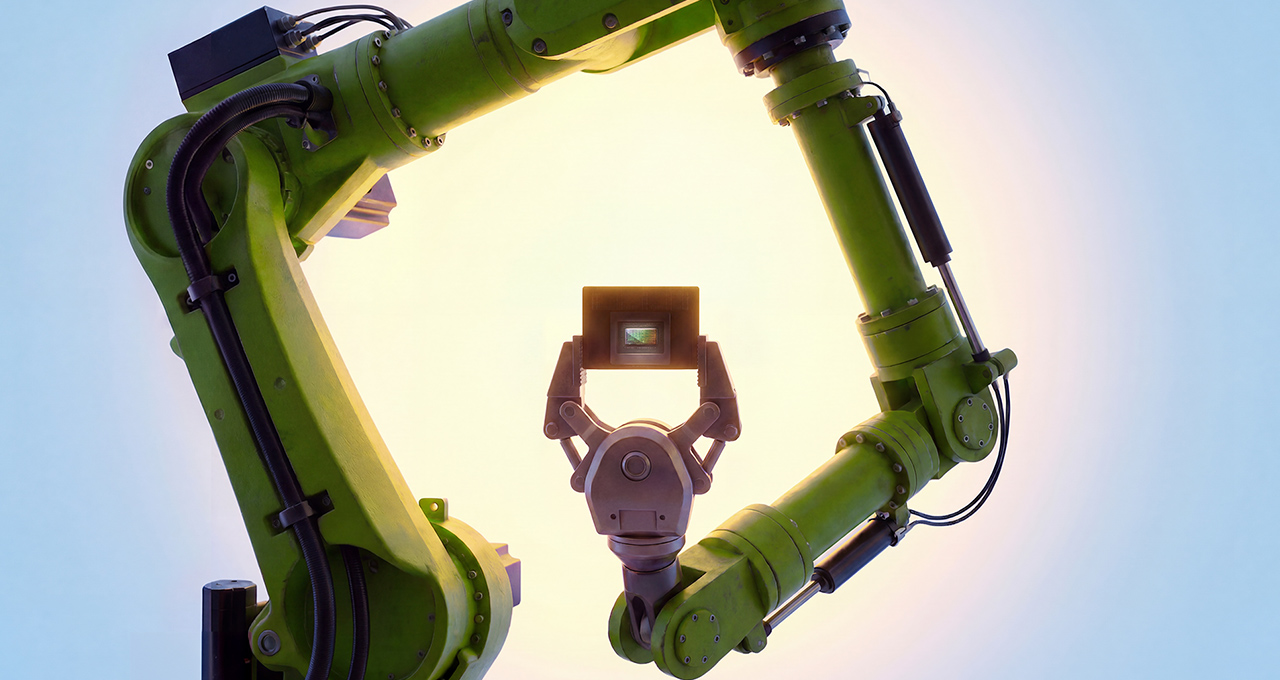
NVIDIA has introduced its new Jetson Thor computers, designed specifically for robotics and edge AI applications. This product launch represents NVIDIA's strategic move to further penetrate the expanding market for general-purpose robots and autonomous machines, providing them with advanced computing capabilities directly at the source of data generation.
This development matters because it addresses the increasing demand for powerful yet compact AI supercomputers needed for on-device processing in robotics and autonomous systems. As generative AI adoption grows, these edge devices require significant computational power to perform complex tasks without constant cloud connectivity, enhancing real-time decision-making and efficiency.
The mechanism behind Jetson Thor involves integrating high-performance AI processing into a compact form factor suitable for robots. These computers enable advanced AI models to run locally, supporting functions like real-time object recognition, navigation, and decision-making crucial for autonomous operations in various environments, from factories to self-driving vehicles.
This move directly impacts NVIDIA (NVDA) by potentially increasing its revenue streams from the robotics and edge AI sectors, diversifying its AI chip demand beyond data centers. It also signals NVIDIA's strengthening position in the autonomous driving and industrial automation markets, as these new computers are critical components for next-generation intelligent machines.
Excalium Agent
An AI breakdown of exactly what changed and who it moves.