OpenAI unveils Codex Micro, a light-up keyboard for agentic threads
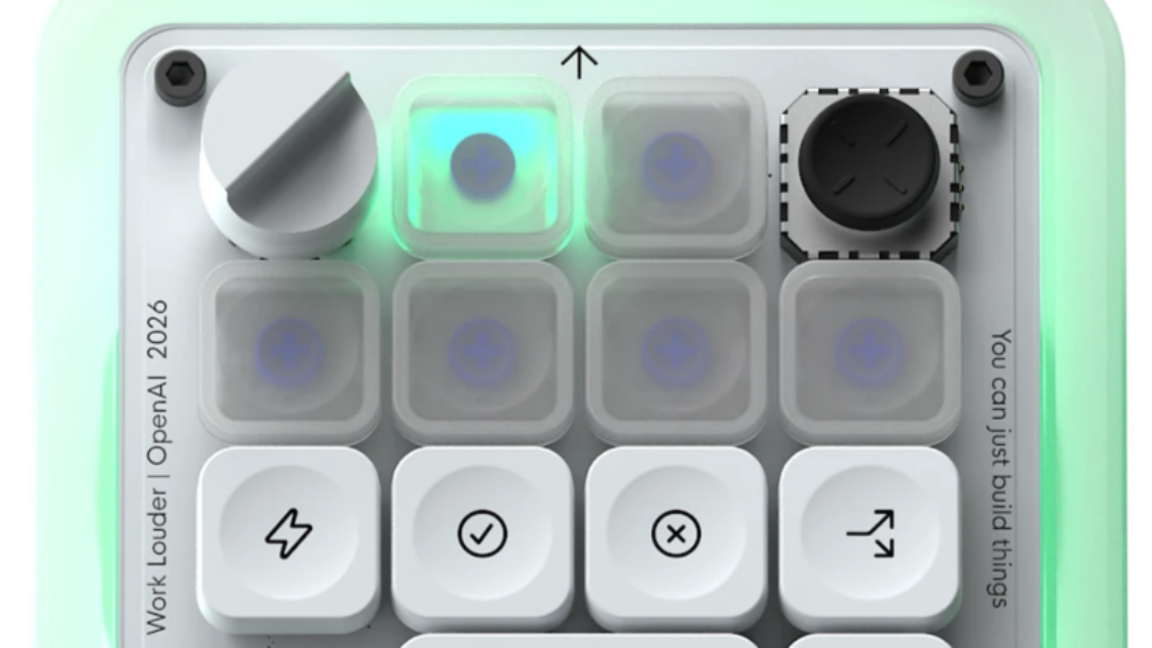
OpenAI has introduced Codex Micro, a light-up keyboard designed for "agentic threads." This product marks OpenAI's entry into branded hardware, moving beyond its traditional software offerings. While a niche device, it suggests a broader strategy to explore physical interfaces for AI interactions.
This development matters because it signals OpenAI's ambition to integrate AI more directly into user hardware and expand its ecosystem beyond pure software. It could influence how other tech companies approach AI-driven hardware, potentially accelerating the trend of AI-specific features in consumer devices.
The mechanism behind Codex Micro likely involves the keyboard's lighting and possibly programmable keys providing visual feedback or shortcuts for AI agent interactions. This hardware integration aims to create a more seamless and intuitive user experience when working with AI models and their automated processes.
This move primarily impacts OpenAI, signaling its diversification strategy. It could also influence other generative AI companies and hardware manufacturers (e.g., NVDA, MSFT, GOOGL) by setting a precedent for AI-branded or AI-optimized hardware, potentially driving demand for components and integrated AI solutions in future devices.
Excalium Agent
An AI breakdown of exactly what changed and who it moves.