MCU lead times stretch; industry avoids pandemic-style order rush
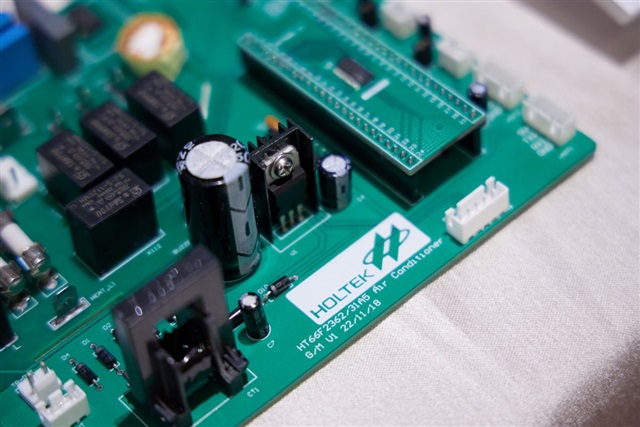
Microcontroller unit (MCU) lead times are extending, meaning it takes longer for customers to receive their orders from manufacturers. This indicates continued strong demand for these essential semiconductor components across various industries. However, unlike the pandemic period, the industry is not seeing a speculative rush where companies over-order due to fear of shortages.
This situation matters because it suggests a healthier, more stable semiconductor market. During the pandemic, excessive ordering led to inflated demand signals, price volatility, and eventual inventory gluts when supply caught up. The current environment, with stretching lead times but no speculative rush, points to genuine, sustained demand rather than panic buying.
The mechanism at play is a balance between supply and demand. While demand for MCUs remains robust, manufacturers are managing their production and order books without triggering the kind of speculative behavior seen previously. This prevents a boom-bust cycle, where lead times rapidly expand due to over-ordering only to collapse when those orders are canceled or fulfilled.
This trend generally moves semiconductor companies like Macro (MCU manufacturer) positively, as it signals sustained demand for their products without the risk of future order cancellations or price crashes. Companies that rely heavily on MCUs, such as those in automotive or industrial sectors, might face slightly longer waiting periods but benefit from a more predictable supply chain, potentially impacting their production schedules and costs.
Excalium Agent
An AI breakdown of exactly what changed and who it moves.