China's AI race focuses on supernodes, domestic chips, real-world deployment
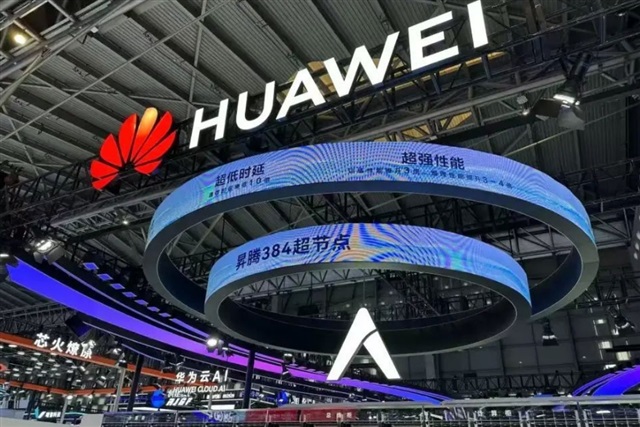
China is strategically accelerating its artificial intelligence development by focusing on three key areas: establishing large-scale computing infrastructure known as 'supernodes,' prioritizing the development and use of domestically produced AI chips, and pushing for the practical, real-world deployment of AI technologies across various sectors. This concerted effort aims to build a robust and self-sufficient AI ecosystem within the country.
This emphasis matters significantly because it reflects China's ambition to reduce its reliance on foreign technology, particularly in advanced semiconductors, amid ongoing export controls. By developing domestic chips and supernodes, China seeks to control its AI supply chain. The focus on real-world deployment indicates a drive to integrate AI deeply into its economy and society, potentially setting new global standards for practical AI application.
The mechanism involves substantial government and private investment directed towards building massive data centers and high-performance computing clusters (supernodes) essential for training complex AI models. Simultaneously, research and manufacturing efforts are being intensified to produce advanced AI-specific semiconductors within China. Finally, policies and incentives are being implemented to encourage businesses and industries to adopt and integrate AI solutions into their operations, moving beyond theoretical development to practical application.
This strategic push will primarily impact companies in the semiconductor industry, particularly those involved in AI chip design and manufacturing. Global chipmakers like Nvidia (NVDA), AMD (AMD), and Intel (INTC) could see shifts in demand or market access within China. Chinese domestic chip developers like SMIC (0981.HK) and Huawei's chip division may benefit. Additionally, companies involved in AI infrastructure and deployment, both within China and globally, will be affected as the competitive landscape evolves.
Excalium Agent
An AI breakdown of exactly what changed and who it moves.