China launches body to institutionalize global AI governance vision
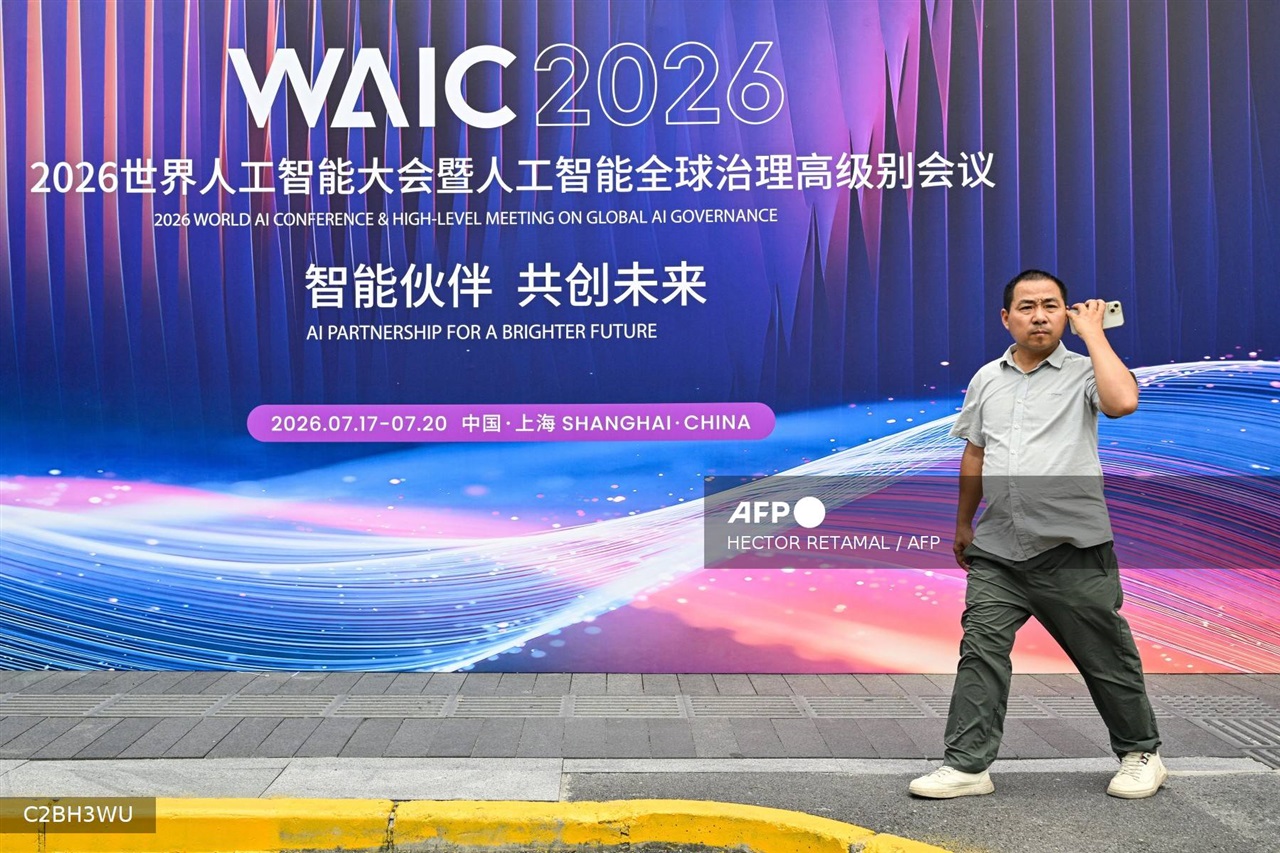
China has established a new government body aimed at institutionalizing its vision for global artificial intelligence (AI) governance. This initiative reflects China's strategic move to formally organize and advance its proposals for international AI standards and regulations on a global scale.
This development is significant because it indicates China's ambition to play a leading role in defining the future of AI globally. By institutionalizing its governance vision, China aims to influence how AI is developed, deployed, and regulated worldwide, potentially setting new norms for the industry.
The mechanism involves China using this new body to articulate and promote its specific policy frameworks and ethical guidelines for AI. This proactive stance could shape international discussions, potentially leading to the adoption of standards that align with China's technological and economic interests.
This move could impact global technology companies involved in AI development and deployment, particularly those with significant operations or market interests in China or internationally. Companies like NVIDIA (NVDA), Google (GOOGL), Microsoft (MSFT), and various Chinese tech giants such as Baidu (BIDU) and Alibaba (BABA) could see shifts in regulatory environments and competitive dynamics as global AI governance frameworks evolve.
Excalium Agent
An AI breakdown of exactly what changed and who it moves.