DARPA AI flew F-16 fighter jet
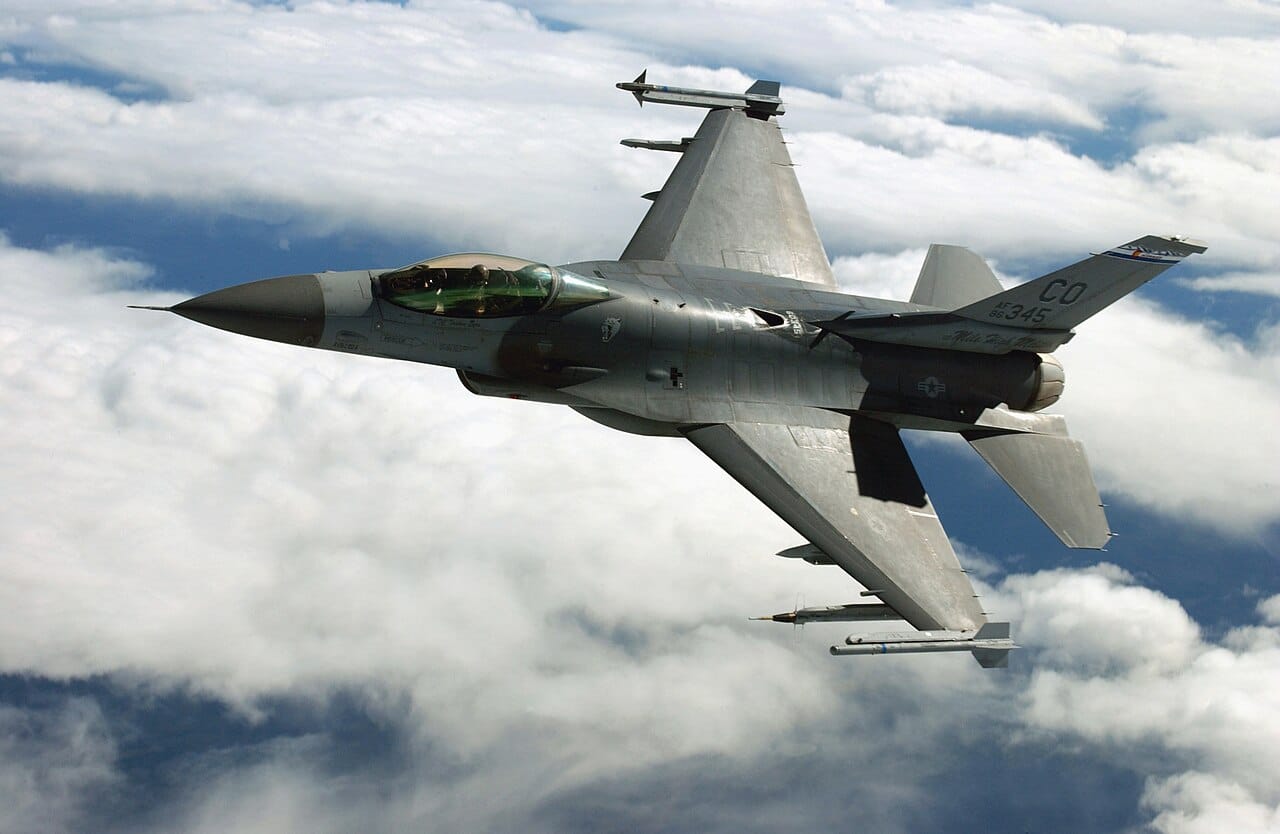
The Defense Advanced Research Projects Agency (DARPA) successfully demonstrated an AI system autonomously piloting an F-16 fighter jet. This marks a notable milestone in the development of artificial intelligence for combat aircraft, moving beyond simulations to real-world flight operations with a human pilot on board for safety oversight.
This event is significant because it showcases a tangible advancement in autonomous combat systems. It suggests a future where AI could play a more central role in military aviation, potentially altering operational strategies and the required human resources for air combat missions. This development could influence long-term defense planning.
The mechanism involves advanced AI algorithms processing real-time flight data and making tactical decisions to control the F-16. This AI system likely integrates sensor data, mission parameters, and learned combat strategies to execute maneuvers autonomously, demonstrating its capability to operate a complex combat aircraft in a dynamic environment.
This advancement could impact defense spending patterns, potentially shifting investment towards AI-powered platforms and related research and development. Companies like Lockheed Martin (LMT), Boeing (BA), Northrop Grumman (NOC), and Raytheon Technologies (RTX) are relevant as major aerospace and defense contractors that could be involved in developing or integrating such AI systems into future defense programs.
Excalium Agent
An AI breakdown of exactly what changed and who it moves.