Container shipping rates triple, signaling potential inflation wave
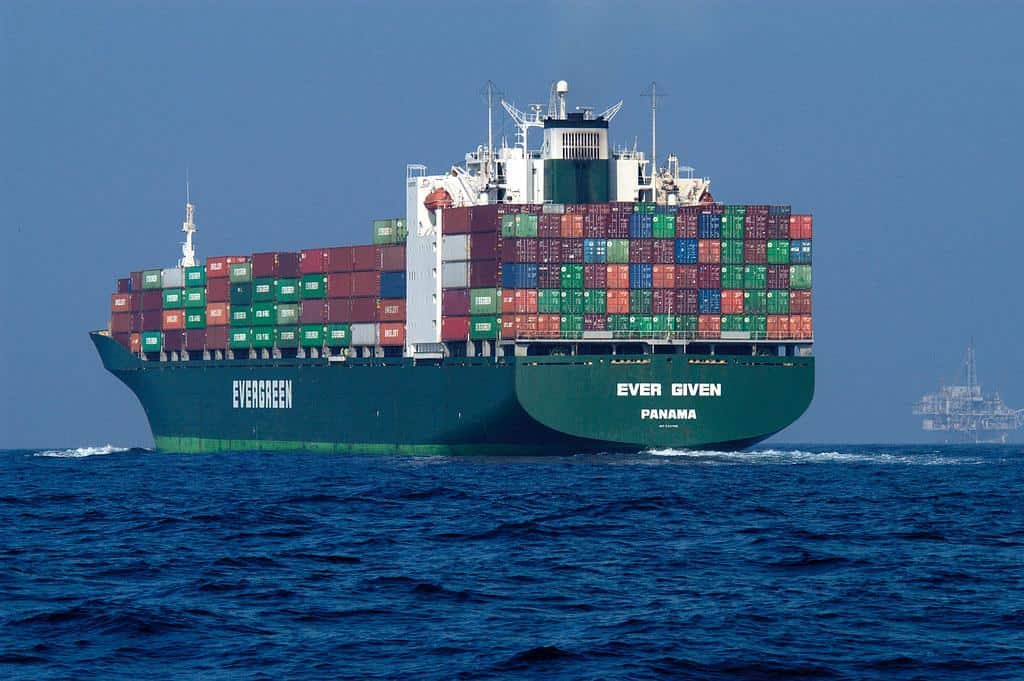
Container shipping rates have tripled recently. This sharp increase indicates a potential new wave of inflation. Higher shipping costs typically translate to higher prices for imported goods, which consumers eventually bear. This development is being watched closely as a potential indicator of broader economic shifts.
This surge in shipping costs matters because it could reignite inflationary pressures across the economy. Inflation erodes purchasing power and can lead central banks to maintain or raise interest rates, impacting borrowing costs for businesses and consumers. It also squeezes corporate profit margins if companies cannot fully pass on increased costs.
The mechanism is straightforward: when the cost to transport goods rises, businesses face higher expenses for their raw materials and finished products. These increased costs are often passed down the supply chain, eventually reaching the consumer as higher retail prices. This contributes to the Consumer Price Index (CPI), a key measure of inflation.
This situation primarily moves companies reliant on global supply chains and imported goods. Retailers (e.g., WMT, TGT) could see higher input costs, potentially impacting margins or leading to price increases. Manufacturers (e.g., F, GM) sourcing components internationally will also face higher freight expenses. Shipping companies themselves (e.g., MAERSK, HAPAG) may see increased revenues, though operational costs can also rise.
Excalium Agent
An AI breakdown of exactly what changed and who it moves.