NVIDIA CEO Huang discusses AI, US re-industrialization, North Texas growth
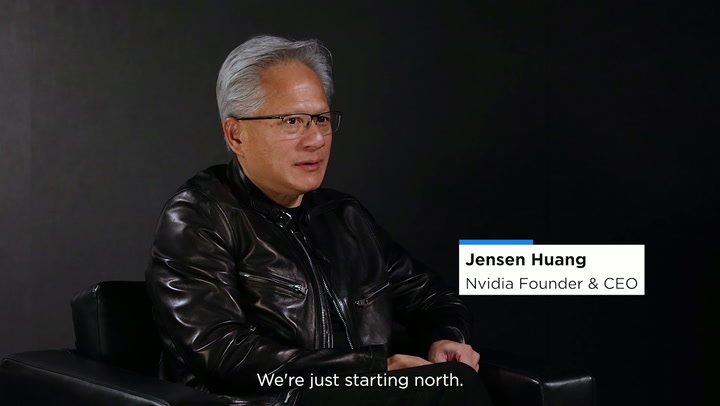
NVIDIA's CEO, Jensen Huang, recently discussed the future of Artificial Intelligence (AI), the re-industrialization of the United States, and economic growth in North Texas. These comments highlight NVIDIA's perspective on major economic and technological trends shaping the nation's future, particularly concerning advanced manufacturing and digital infrastructure development.
This matters because the discussion points to significant potential shifts in national economic strategy, emphasizing domestic manufacturing and technological independence. Re-industrialization, coupled with AI advancements, could drive substantial long-term investment into technology and manufacturing sectors, creating new demand for specialized hardware and infrastructure.
The mechanism involves increased capital expenditure (capex) by companies and potentially government initiatives to build out data centers and AI model training facilities domestically. This would fuel demand for high-performance AI chips and related components, supporting the growth of technology hubs and manufacturing capabilities within the U.S., including regions like North Texas.
This development directly impacts NVIDIA (NVDA) due to anticipated higher demand for its AI chips and data center solutions. Other companies involved in data center buildout, such as semiconductor manufacturers, cloud service providers, and industrial real estate developers, could also see increased activity. It signals potential growth for the broader technology and manufacturing sectors.
Excalium Agent
An AI breakdown of exactly what changed and who it moves.