SpaceX Starship launches harm endangered ocelots, environmental groups say
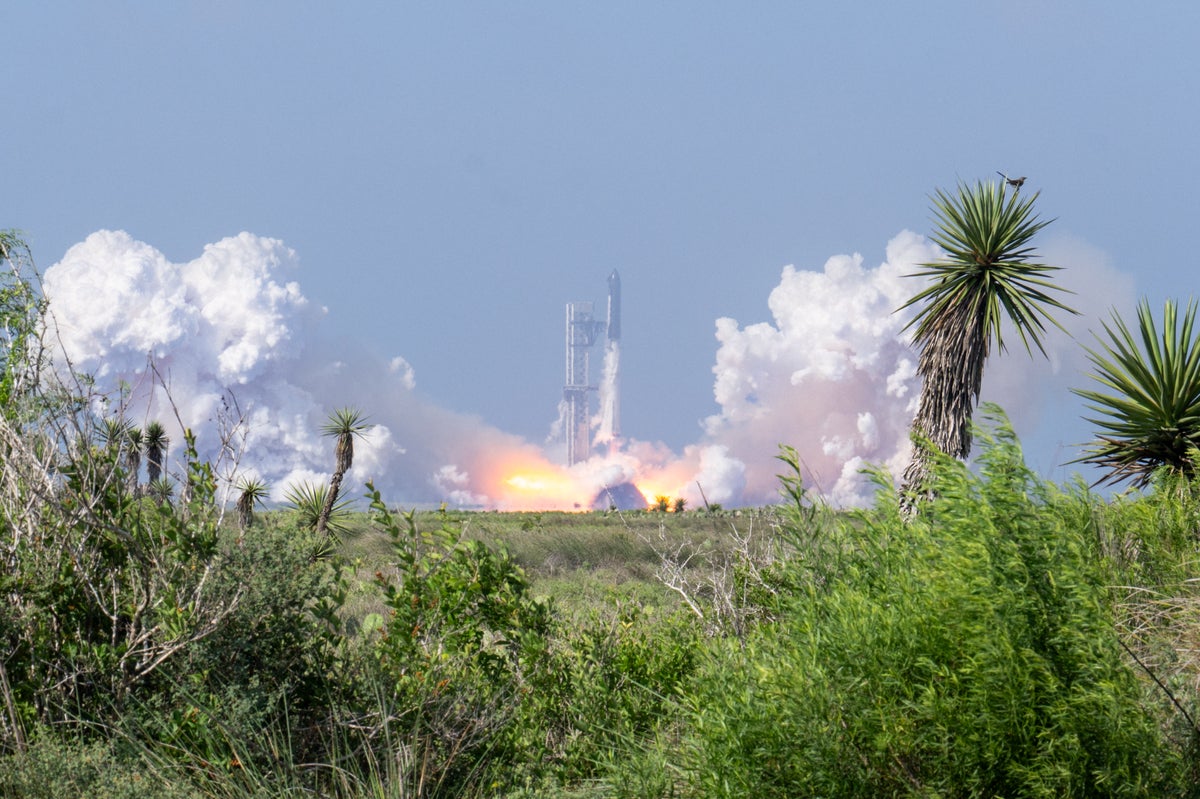
Environmental groups are raising concerns that SpaceX's Starship launch activities are harming endangered ocelots. These groups allege that the operations at SpaceX's South Texas launch site are negatively impacting the habitat and well-being of these protected wild cats, which are native to the region. This situation highlights a conflict between commercial space development and wildlife conservation efforts.
This matters because environmental concerns can trigger regulatory scrutiny and potential operational delays for SpaceX. If the claims are substantiated, it could lead to stricter environmental requirements, new permits, or even temporary halts in launch operations. Such disruptions could significantly impact the timeline and cost-efficiency of SpaceX's ambitious Starship development program.
The mechanism involves environmental regulations, specifically the Endangered Species Act, which protects ocelots. Environmental groups typically file complaints or lawsuits, prompting government agencies like the U.S. Fish and Wildlife Service or the Federal Aviation Administration (FAA) to investigate. These agencies have the authority to impose mitigation measures, fines, or require changes to operational procedures and environmental impact assessments.
This situation primarily moves SpaceX, a private company, by potentially affecting its Starship development and launch cadence. Delays or additional costs due to environmental compliance could slow its progress in lunar and Martian missions. While SpaceX is not publicly traded, its valuation and future IPO prospects could be indirectly influenced by sustained operational challenges.
Excalium Agent
An AI breakdown of exactly what changed and who it moves.