Another senior property tax rate cut may be coming
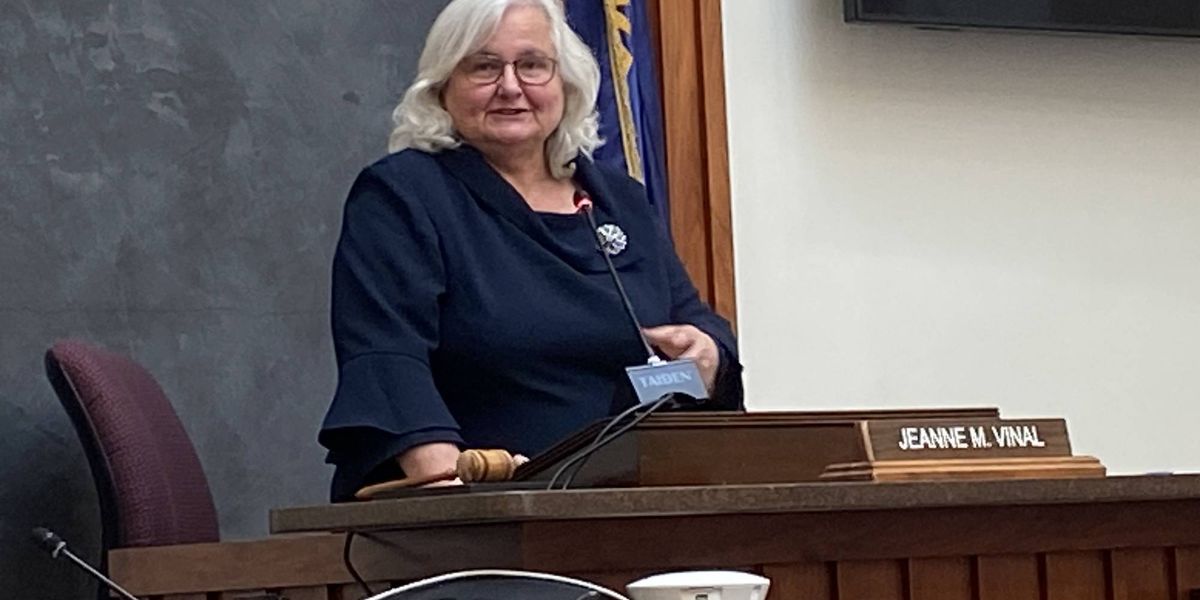
Macro, a hypothetical government entity, is considering another reduction in property tax rates specifically for senior citizens. This follows previous discussions or actions regarding similar tax cuts. The potential change aims to alleviate financial burdens on an important demographic within the community.
This development matters because property taxes are a significant source of revenue for local governments, funding essential services. A cut could lead to reduced public spending or necessitate adjustments in other tax areas. For seniors, lower taxes could free up disposable income, potentially influencing their consumer spending habits.
The mechanism is straightforward: if the tax rate is lowered, the amount of property tax owed by eligible seniors decreases. This directly impacts their household budgets. Increased discretionary income among seniors could then translate into higher spending on goods and services, affecting local businesses and broader economic activity.
Companies in sectors catering to seniors, such as healthcare providers (e.g., CVS, UNH), retail (e.g., WMT, TGT), and leisure (e.g., CCL, NCLH), could see shifts in demand. Local businesses reliant on discretionary spending may also be affected. The overall impact on consumer spending patterns among seniors will be a key factor.
Excalium Agent
An AI breakdown of exactly what changed and who it moves.