BlackRock IBIT leads nearly $1B Bitcoin ETF recovery, 7-day inflows
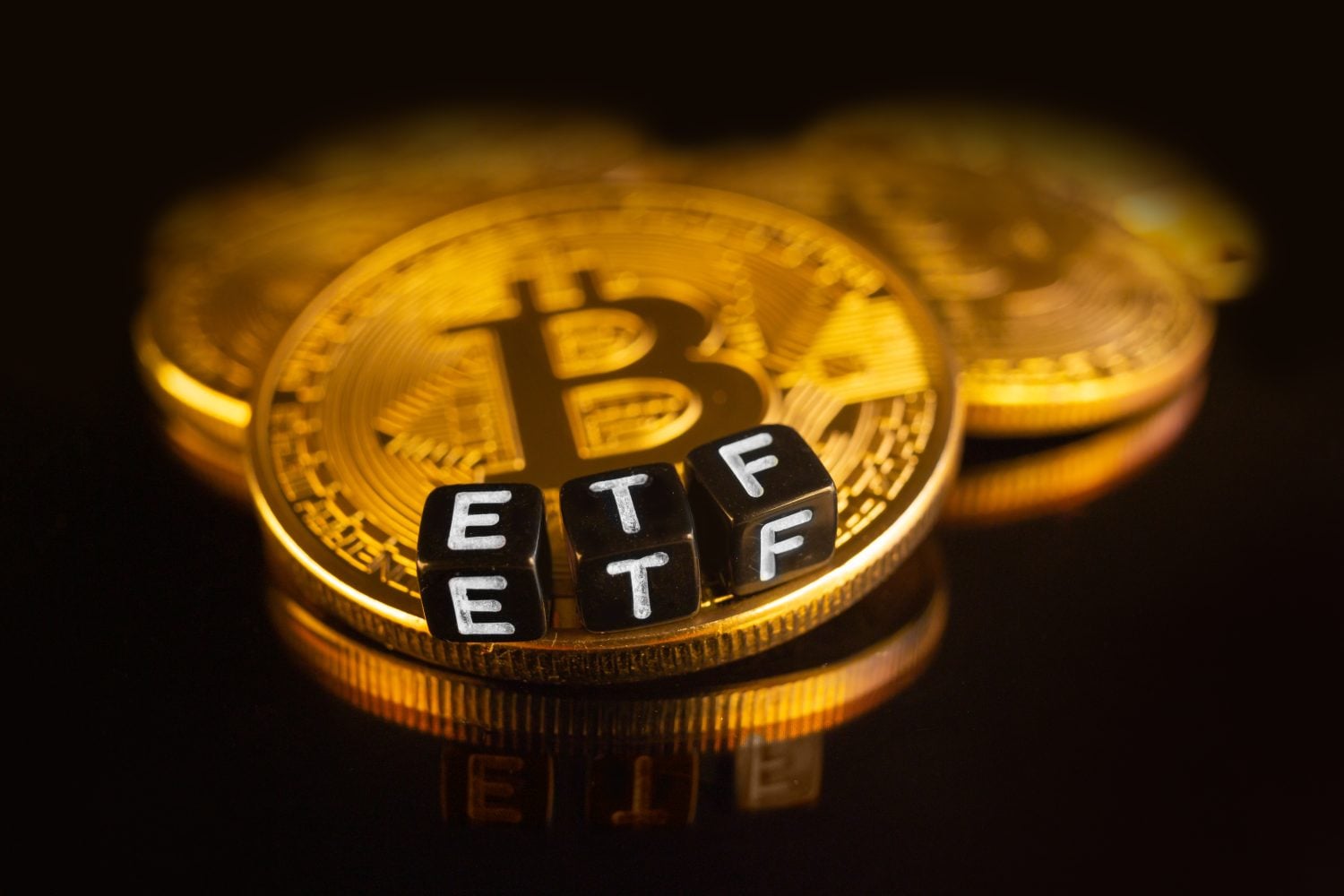
Bitcoin Exchange-Traded Funds (ETFs) experienced a notable recovery, with nearly $1 billion in inflows over a seven-day period. BlackRock's IBIT ETF was a primary driver of this resurgence, attracting a significant portion of the new capital. This marks a shift following previous outflows, indicating a renewed positive sentiment among investors towards Bitcoin as an asset.
This influx of capital matters because it signals growing investor confidence in cryptocurrency, particularly Bitcoin, within traditional financial frameworks. Sustained inflows through ETFs can contribute to greater market liquidity and potentially reduce price volatility. It also suggests increasing mainstream acceptance of digital assets as a legitimate component of investment portfolios.
The mechanism behind this involves investors purchasing shares of Bitcoin ETFs like IBIT through their brokerage accounts, similar to buying stock. When investors buy these ETF shares, the fund manager (in this case, BlackRock) then purchases an equivalent amount of underlying Bitcoin. This direct link between ETF demand and Bitcoin purchases drives the price action.
This trend primarily moves Bitcoin (BTC) itself, with increased demand from ETFs potentially pushing its price higher. Companies like BlackRock (BLK), which manage these popular ETFs (e.g., IBIT), benefit from asset under management growth and associated fees. Other Bitcoin ETF providers, such as Fidelity (FBTC) and Grayscale (GBTC), are also impacted by overall sector sentiment and competitive flows.
Excalium Agent
An AI breakdown of exactly what changed and who it moves.