Microsoft responds to LG monitors installing McAfee ads via Windows Update
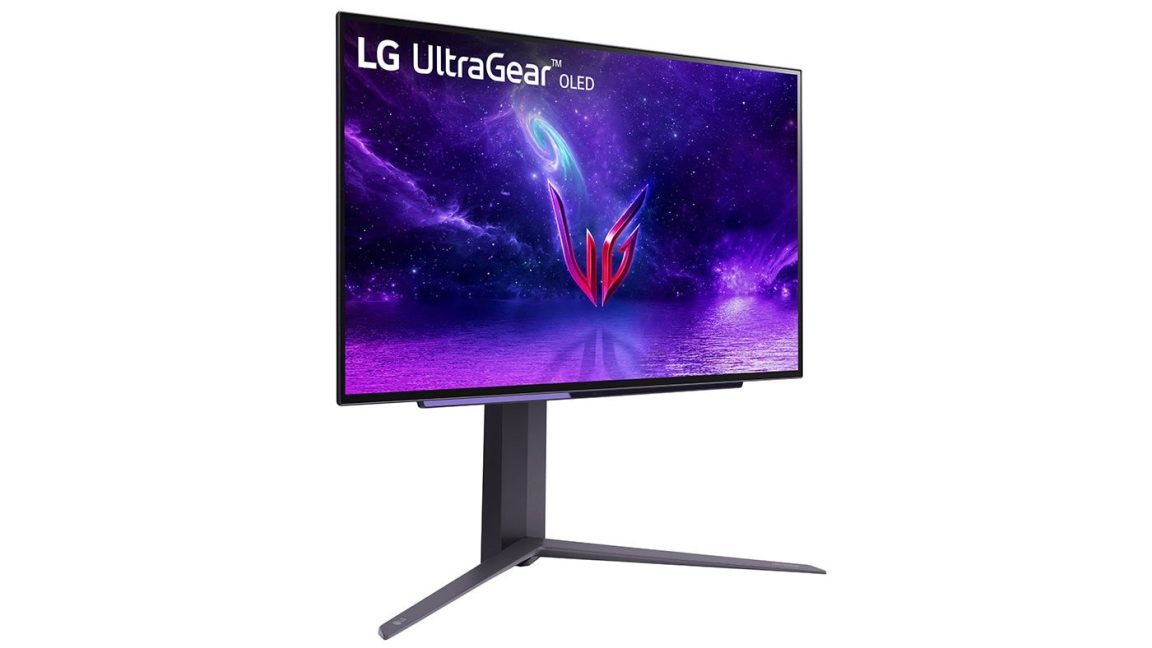
Microsoft is addressing a situation where LG monitor drivers, distributed through Windows Update, were reportedly installing McAfee antivirus advertisements on users' systems. This incident suggests that the Windows Update platform, intended for critical system updates, was used to push third-party promotional software without explicit user consent, raising concerns about software distribution practices.
This event matters because it exposes potential vulnerabilities within Microsoft's software supply chain and the Windows Update mechanism itself. For retail investors, it highlights risks to user trust and the integrity of a core Microsoft service. Such incidents can erode confidence in the security and reliability of Windows, potentially impacting its long-term market position.
The mechanism involves third-party hardware manufacturers embedding promotional software, often referred to as 'crapware' or 'bloatware,' within their drivers. When these drivers are distributed via Windows Update, the bundled software can be installed automatically. This bypasses typical user consent processes for installing new applications, leveraging the trusted Windows Update channel for potentially unwanted installations.
This incident primarily moves Microsoft (MSFT) by potentially impacting user perception and enterprise IT management. Enterprises rely on Windows Update for secure, controlled deployments; this issue could lead to increased scrutiny and IT budget allocations for managing third-party software. It could also indirectly affect hardware partners like LG if consumers become wary of bundled software.
Excalium Agent
An AI breakdown of exactly what changed and who it moves.