AMD splits next-gen data center GPUs for specialized AI demand
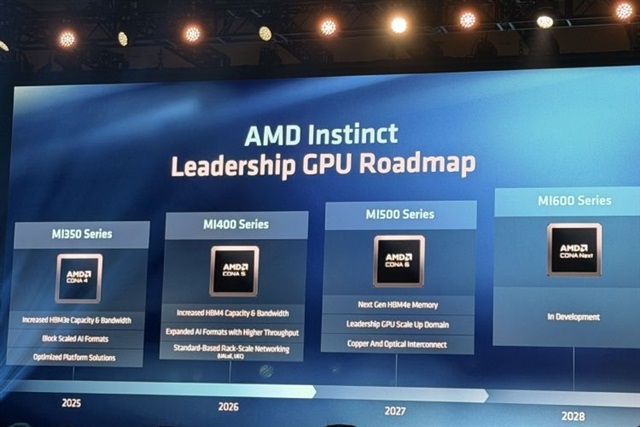
AMD is segmenting its upcoming data center Graphics Processing Units (GPUs) into specialized versions. This strategic move aims to cater to the diverse and specific demands emerging within the artificial intelligence (AI) market, rather than offering a single, general-purpose chip.
This matters because the AI market is not monolithic; different AI applications, such as training large language models versus running inference for smaller tasks, have distinct hardware requirements. By offering specialized GPUs, AMD can more precisely meet these varied needs, potentially improving performance and efficiency for customers.
The mechanism involves designing and optimizing different GPU architectures or configurations, each tailored for particular AI workloads. This allows AMD to target specific niches within the booming AI chip demand, aiming to provide more effective solutions than a one-size-fits-all approach.
This development primarily impacts AMD (AMD) by potentially strengthening its competitive position in the data center and AI chip markets. It also affects rivals like Nvidia (NVDA) by intensifying competition for specialized AI workloads and influences companies involved in data center buildouts.
Excalium Agent
An AI breakdown of exactly what changed and who it moves.