AMD advances telecom AI with AT&T and Microsoft
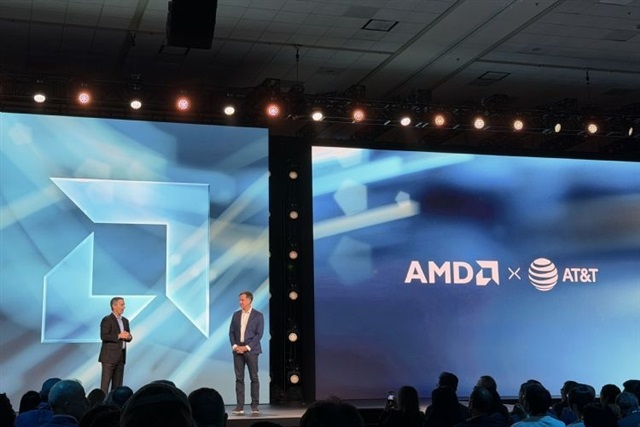
AMD is expanding its presence in the telecom artificial intelligence (AI) market through new collaborations with AT&T and Microsoft. This move indicates AMD's strategic effort to integrate its AI technologies into telecommunications infrastructure and services, aiming to capture new opportunities within this specialized sector.
This development matters because it positions AMD to potentially increase its market share and diversify its revenue streams beyond its traditional computing and graphics segments. By partnering with major industry players, AMD can accelerate the adoption of its AI chips and platforms in critical telecom applications, including generative AI and cloud infrastructure.
The mechanism involves AMD providing its AI hardware and software solutions to AT&T for use within their telecom networks, likely enhancing data processing and AI capabilities at the edge and in the cloud. Microsoft's involvement suggests integration with their Azure cloud services, facilitating scalable AI deployments for telecom-specific workloads.
This collaboration primarily moves AMD (AMD) by potentially boosting demand for its AI chips and related technologies, which could positively impact its stock. It also signifies increased generative AI adoption and cloud infrastructure spending within the telecom sector, indirectly affecting companies involved in those areas.
Excalium Agent
An AI breakdown of exactly what changed and who it moves.