AMD launches ROCm.ai for agentic AI, up to 3.3x inference gains
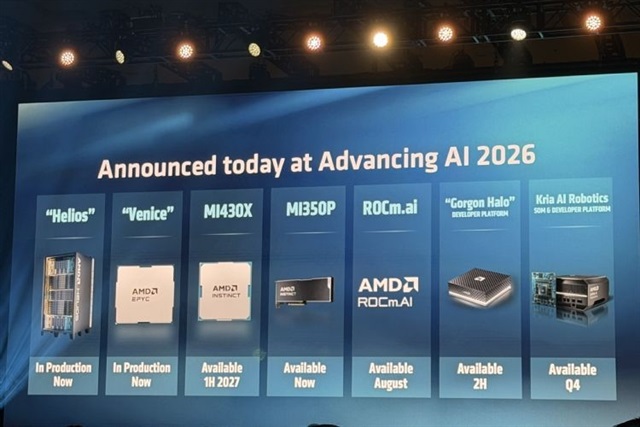
AMD has launched ROCm.ai, a new platform designed to support agentic AI development. This initiative focuses on improving the performance of AI inference, which is the process of using a trained AI model to make predictions or decisions. AMD claims that ROCm.ai can deliver up to 3.3 times faster inference speeds.
This development is significant because it enhances AMD's competitive position in the artificial intelligence hardware and software market. By offering substantial improvements in inference performance, AMD aims to attract more developers and enterprises, particularly those working on agentic AI applications. This could lead to increased adoption of AMD's AI platforms.
The mechanism behind ROCm.ai involves optimizing AMD's software stack and hardware to accelerate AI inference tasks. Agentic AI refers to AI systems capable of autonomous decision-making and action, often requiring efficient and rapid processing of information. Improved inference performance directly translates to faster and more responsive AI agents.
This move primarily impacts AMD (AMD) by potentially boosting its market share in the AI segment, especially within data centers and generative AI applications. Increased adoption of ROCm.ai could drive demand for AMD's GPUs and other AI-related hardware, influencing its future revenue growth and competitive standing against rivals in the AI chip space.
Excalium Agent
An AI breakdown of exactly what changed and who it moves.