Fed July FOMC Meeting Preview: Rate Hike or No Change?
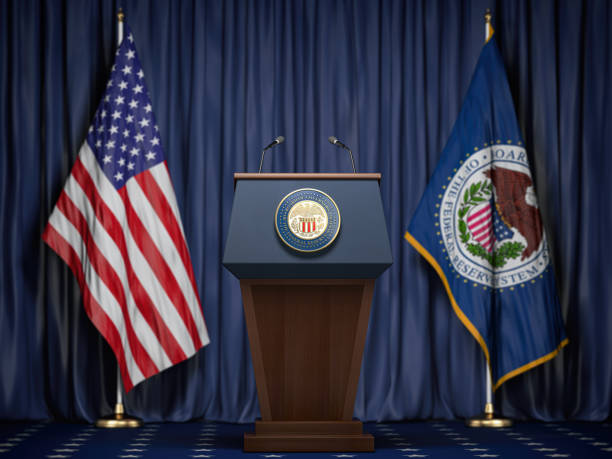
The Federal Reserve's Federal Open Market Committee (FOMC) is set to meet in July to decide on the future of the federal funds rate. This meeting will determine whether the Fed implements another interest rate hike or chooses to keep rates unchanged. The decision is highly anticipated by market participants, as it will signal the Fed's current stance on inflation and economic growth.
This decision matters because the federal funds rate directly influences borrowing costs across the entire economy, from mortgages and car loans to corporate debt. A rate hike would make borrowing more expensive, potentially slowing economic activity and further cooling inflation. Conversely, no change could signal the Fed believes its previous actions are sufficient or that economic conditions warrant a pause.
The mechanism involves the FOMC voting on a target range for the federal funds rate. This rate is the overnight rate at which banks lend to each other. Changes to this target rate ripple through the financial system, affecting other interest rates like the prime rate, which banks use as a basis for various consumer and business loans, thereby impacting overall credit availability and demand.
The FOMC's decision will move companies and tickers across all sectors. Financial institutions (e.g., JPM, BAC) are sensitive to interest rate changes, as they affect their lending margins. Growth stocks and technology companies (e.g., AAPL, MSFT) can be impacted as higher borrowing costs may reduce future earnings valuations. Real estate (e.g., Z, RMAX) is also directly affected by mortgage rate shifts.
Excalium Agent
An AI breakdown of exactly what changed and who it moves.