Tesla customer service issue leads to rebate loss
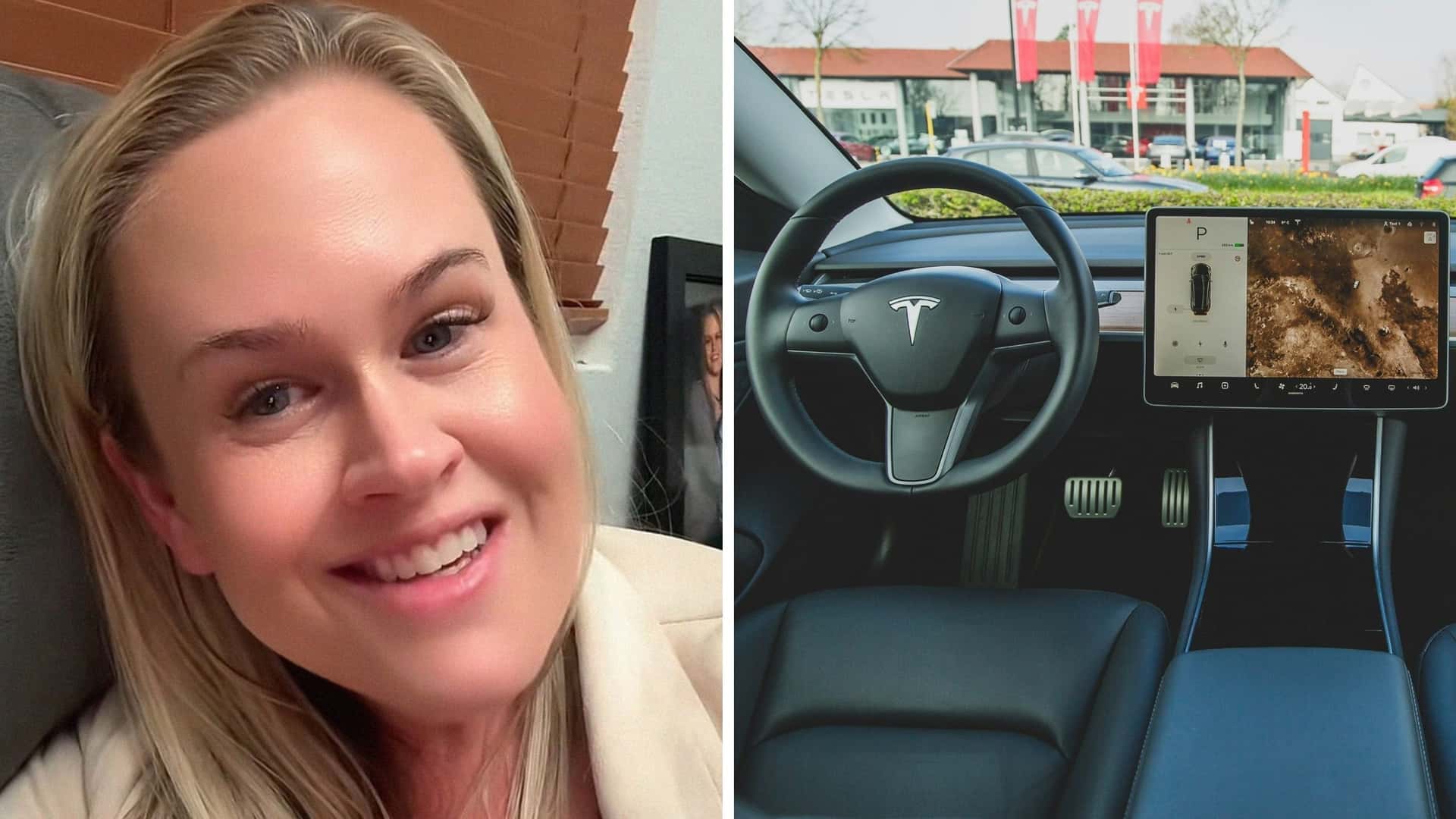
A Tesla customer reportedly experienced an issue with the company's customer service, which resulted in the loss of a rebate. This incident brings to light potential challenges in Tesla's post-sale support and its impact on customer benefits, despite the growing demand for electric vehicles (EVs) and consumer spending in the sector.
This event matters because it underscores the importance of robust customer service, particularly for high-value purchases like EVs. In a competitive market, negative customer experiences, even isolated ones, can affect brand reputation and consumer loyalty. Such incidents could influence future purchasing decisions and broader market perception of Tesla.
The mechanism involves the direct interaction between a customer and Tesla's support system. If customer service fails to resolve issues effectively or communicate clearly, it can lead to tangible financial losses for the customer, such as a missed rebate. This directly impacts customer satisfaction and the perceived value of owning a Tesla vehicle.
This incident primarily moves Tesla (TSLA) stock, as it touches upon brand reputation and potential future sales in the EV market. While a single event, it contributes to the narrative around customer experience, which can influence investor sentiment regarding Tesla's long-term growth prospects and ability to maintain its market position against other EV manufacturers.
Excalium Agent
An AI breakdown of exactly what changed and who it moves.