Chemical accidents rise amid proposed safety rule weakening
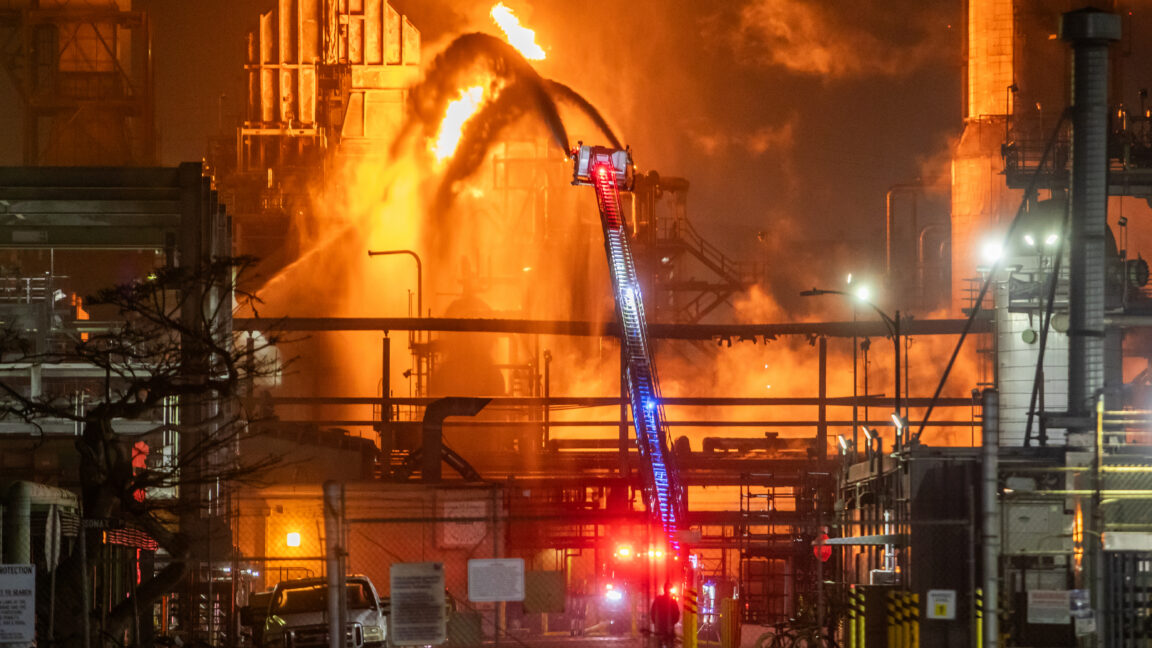
Chemical accidents are on the rise, occurring alongside proposals to weaken existing safety regulations. This trend suggests a potential increase in operational risks for companies involved in chemical manufacturing and handling. The confluence of more accidents and less stringent oversight could create a more volatile operating environment for the industry.
This situation matters because it points to heightened operational risks for chemical manufacturers. Increased accidents can lead to direct costs from damage, cleanup, and potential fines. Furthermore, weakening safety rules might exacerbate these risks, potentially increasing the frequency or severity of future incidents.
The mechanism linking these events is straightforward: more accidents can lead to greater public scrutiny and demands for stricter environmental and safety standards. If regulations are weakened, it could be perceived as reducing the incentive for companies to invest in safety measures, potentially leading to more incidents and, paradoxically, renewed calls for stronger oversight.
This trend primarily moves companies in the chemical manufacturing sector, such as DuPont (DD), Dow Inc. (DOW), and LyondellBasell (LYB). Increased accidents and potential regulatory uncertainty could lead to higher liability costs, increased insurance premiums, and greater compliance expenses, negatively impacting their profitability and investor sentiment.
Excalium Agent
An AI breakdown of exactly what changed and who it moves.