Huawei HarmonyOS misses China government OS shortlist
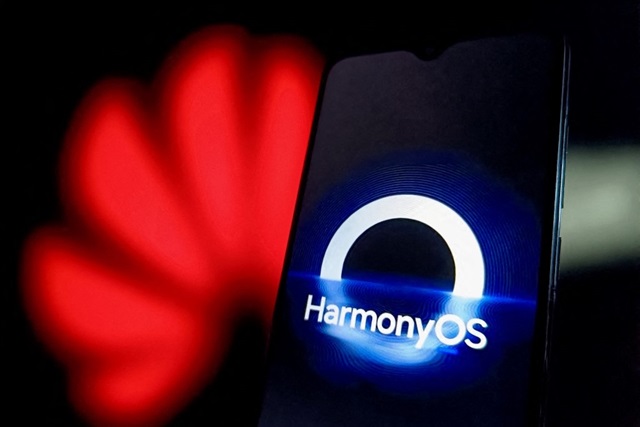
Huawei's HarmonyOS was not included on a recent shortlist of operating systems approved by the Chinese government. This development indicates that despite Huawei's efforts to position HarmonyOS as a secure domestic alternative, it has not yet gained official endorsement for broader government-related use or promotion within China.
This matters because government approval and support are crucial for securing significant market share in China, especially for foundational technologies like operating systems. Missing this shortlist could hinder HarmonyOS's adoption within state-owned enterprises and other government-influenced sectors, limiting its potential for widespread domestic growth.
The mechanism at play involves government procurement and endorsement processes. Inclusion on such a shortlist often opens doors to preferential treatment, subsidies, or mandates for use within specific sectors. The absence of HarmonyOS suggests it may face an uphill battle in competing against other approved systems for critical domestic contracts and widespread integration.
This news primarily impacts Huawei (private company) by potentially slowing the domestic expansion and adoption of its HarmonyOS. It could benefit other operating system providers that made the shortlist by giving them a competitive advantage in the Chinese market, though specific companies are not named in the summary.
Excalium Agent
An AI breakdown of exactly what changed and who it moves.