Tesla files insurance program proposal in Washington State
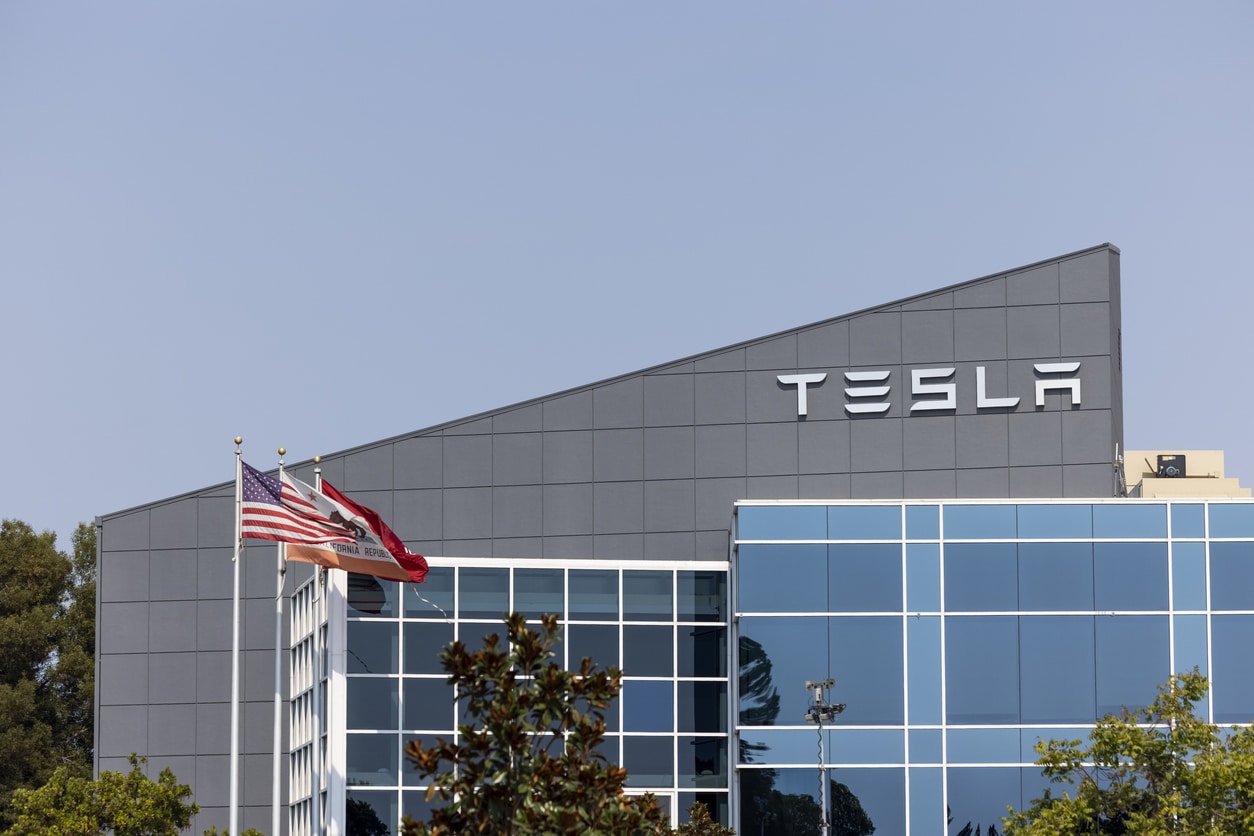
Tesla has submitted a proposal to Washington State regulators to offer its own insurance program. This action indicates the electric vehicle manufacturer's ongoing strategy to broaden its business beyond car manufacturing and into financial services directly related to its products. It represents a further step in Tesla's vertical integration efforts.
This development is significant because it could disrupt the traditional auto insurance market. By offering its own insurance, Tesla aims to leverage real-time vehicle data, potentially leading to more personalized and competitive rates for its owners. This model could challenge existing insurers that rely on broader actuarial tables.
The mechanism involves Tesla collecting and utilizing data directly from its vehicles, such as driving behavior and safety features usage, to underwrite policies. This allows for a more dynamic pricing model compared to conventional insurance. For consumers, it could mean insurance premiums that more accurately reflect individual driving habits and vehicle safety.
This move primarily impacts traditional auto insurers like Progressive (PGR), Geico (part of Berkshire Hathaway - BRK.A, BRK.B), Allstate (ALL), and State Farm, potentially increasing competition. For Tesla (TSLA) itself, it could create a new revenue stream and enhance customer loyalty by offering an integrated vehicle and insurance package.
Excalium Agent
An AI breakdown of exactly what changed and who it moves.