Tesla's 6-Seater Model Y L challenges domestic SUV market
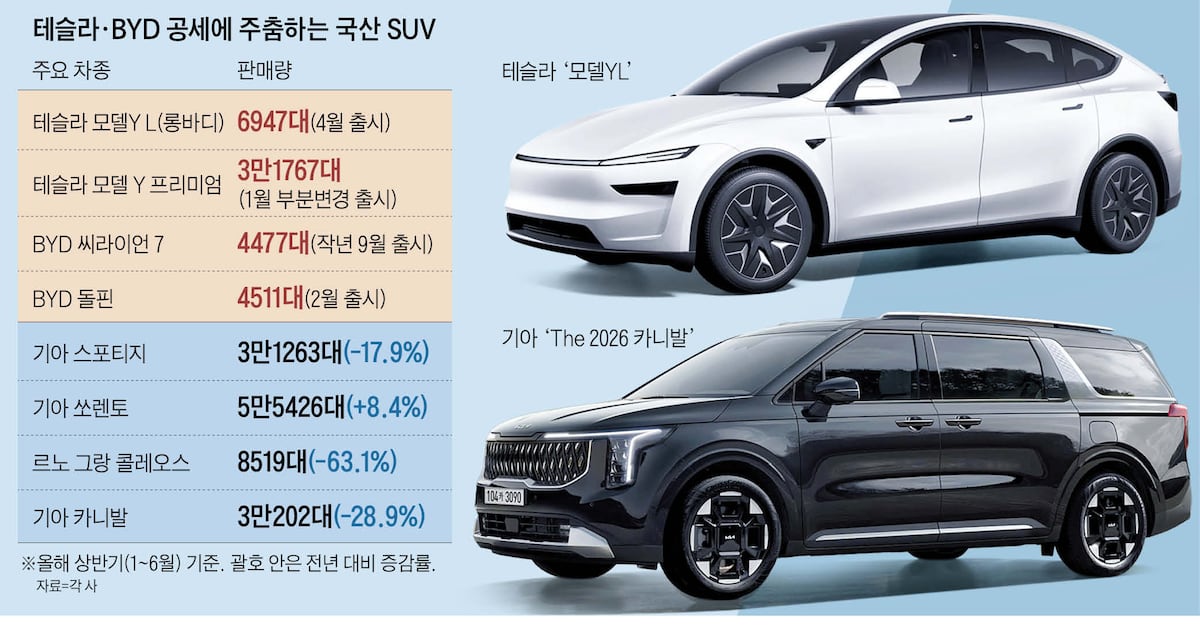
Tesla has introduced a new 6-seater Model Y L, signaling its continued expansion into diverse vehicle segments. This new variant aims to challenge the existing domestic SUV market, particularly in key regions where larger SUVs are popular. The move indicates Tesla's strategy to capture a broader range of consumer preferences within the electric vehicle market.
This development matters because it represents Tesla's direct competition with traditional SUV manufacturers. By offering a 6-seater option, Tesla is targeting a segment historically dominated by gasoline-powered vehicles and established automakers. This could intensify competition and potentially shift market share within the lucrative SUV category.
The mechanism behind this impact is straightforward: the introduction of a new, larger Tesla Model Y variant provides consumers with an additional electric option in the SUV segment. This new offering directly competes for sales with existing 6-seater and larger SUVs from other brands, potentially drawing customers away from traditional manufacturers due to Tesla's brand appeal and EV technology.
This move primarily affects Tesla (TSLA) by potentially increasing its sales volume and market penetration in the SUV segment. It could also impact traditional SUV manufacturers such as Ford (F), General Motors (GM), and Toyota (TM) by increasing competitive pressure and potentially reducing their market share in regions where the Model Y L is introduced.
Excalium Agent
An AI breakdown of exactly what changed and who it moves.