Tesla driver asleep at 100 km/h with kids, sunglasses fooled self-driving
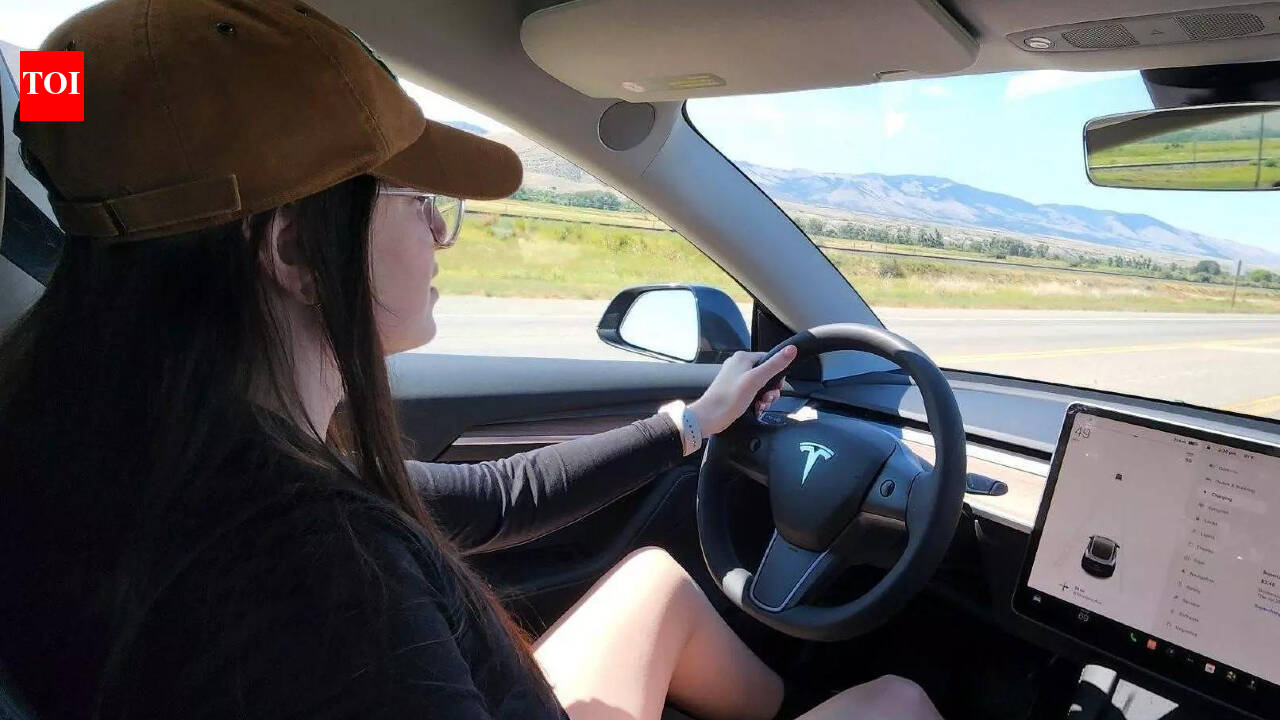
A Tesla driver was found asleep at the wheel while traveling at 100 km/h with children in the car. The driver reportedly used sunglasses to trick the vehicle's self-driving system into believing they were attentive. This incident occurred despite the car's advanced driver-assistance features.
This event underscores persistent safety concerns regarding autonomous driving technologies. It raises questions about the reliability of current driver monitoring systems and the potential for misuse. Such incidents can erode public confidence in self-driving capabilities and the broader electric vehicle (EV) market.
The mechanism involves a driver bypassing safety protocols designed to ensure human oversight of autonomous systems. By using an object like sunglasses to simulate an attentive driver, the system's checks for driver engagement were circumvented. This allowed the vehicle to operate in a self-driving mode without active human supervision.
This incident primarily impacts Tesla (TSLA) due to direct involvement and its leadership in autonomous driving. It could also influence other EV manufacturers developing similar technologies, such as General Motors (GM) and Ford (F). Regulatory bodies may face increased pressure to tighten oversight on AI and autonomous vehicle safety, potentially affecting the entire automotive sector.
Excalium Agent
An AI breakdown of exactly what changed and who it moves.