Tesla safety camera allows driver to cruise while unconscious
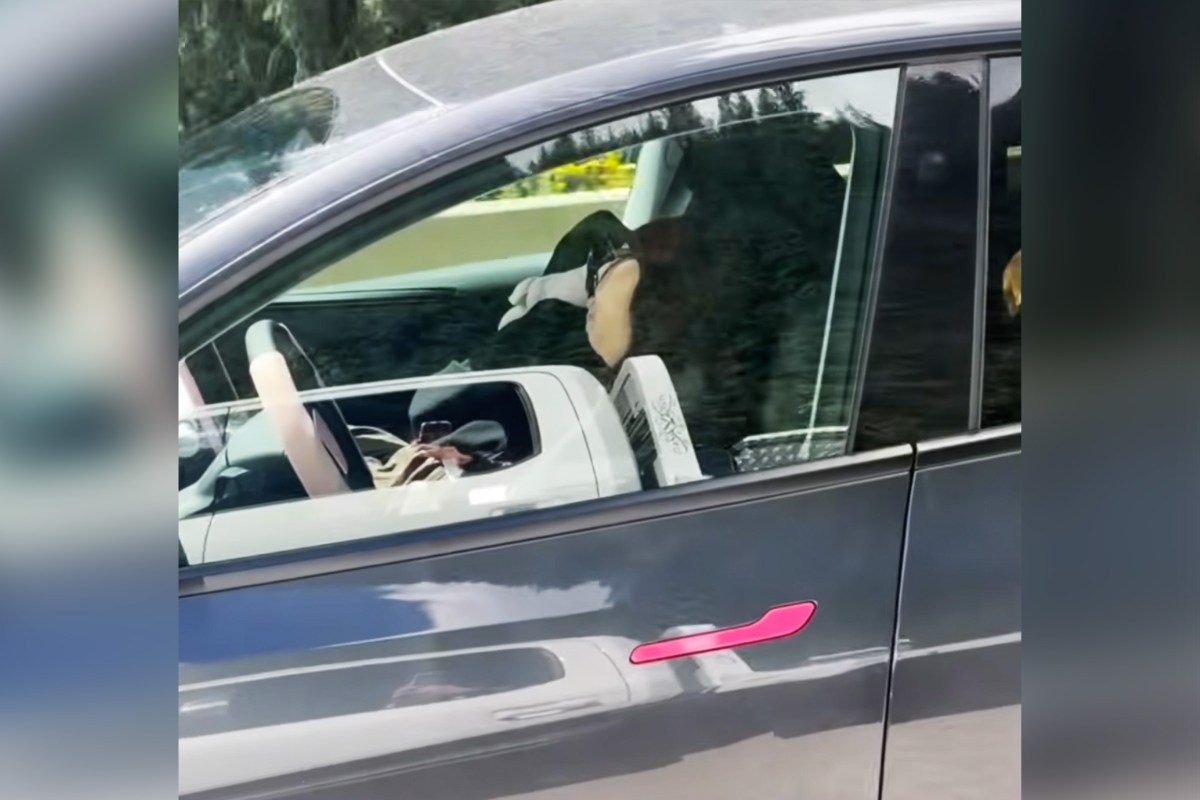
A recent incident involving a Tesla vehicle has highlighted concerns regarding the safety and reliability of its autonomous driving features. Reports indicate that a driver was able to cruise in a Tesla while seemingly unconscious, raising questions about the vehicle's ability to detect and respond to an incapacitated driver.
This event is significant because it directly challenges consumer trust in autonomous vehicle technology and could intensify regulatory scrutiny on electric vehicle (EV) manufacturers, particularly concerning advanced driver-assistance systems. Such incidents may prompt regulators to review existing safety protocols and potentially introduce stricter guidelines for self-driving capabilities.
The mechanism at play involves Tesla's safety camera system, which is designed to monitor driver attentiveness. However, in this instance, it appears the system either failed to adequately detect the driver's unconscious state or was circumvented, allowing the vehicle to continue operating autonomously despite the driver's incapacitation.
This incident primarily impacts Tesla (TSLA) by potentially eroding consumer confidence in its autonomous driving technology and inviting increased regulatory oversight. It could also indirectly affect other EV manufacturers developing similar autonomous features, such as General Motors (GM) with Cruise and Ford (F) with BlueCruise, as regulators may apply broader scrutiny across the industry.
Excalium Agent
An AI breakdown of exactly what changed and who it moves.