Tesla Model 3 warns of 12V failure, self-preserves power
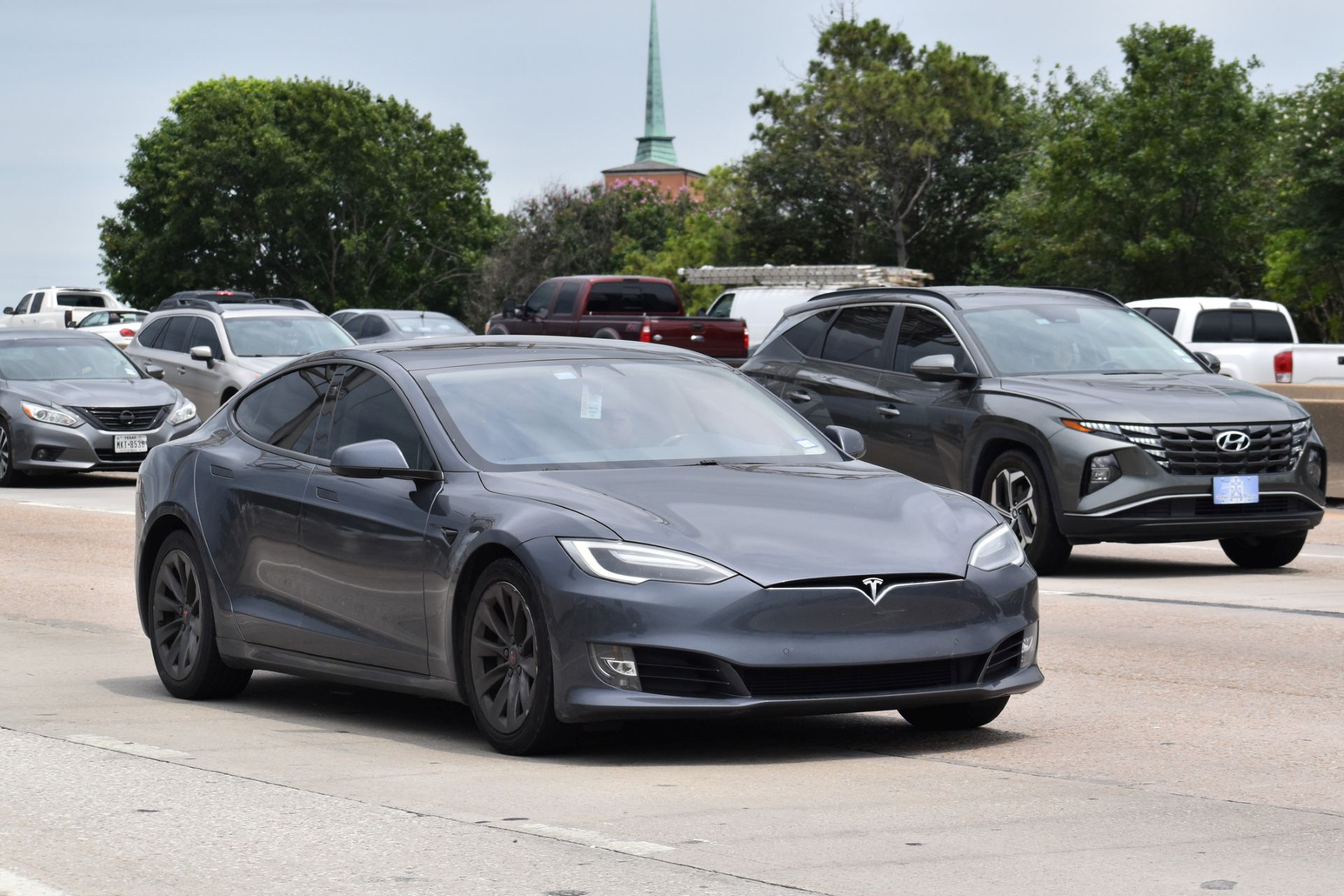
A Tesla Model 3 recently displayed a warning for a 12V battery failure, subsequently entering a self-preservation mode. This system is designed to manage power proactively when a critical component like the 12V battery shows signs of imminent failure. The vehicle's internal diagnostics identified the issue and initiated measures to conserve remaining power.
This event demonstrates Tesla's advanced onboard diagnostic and self-preservation systems. By alerting the driver and managing power autonomously, the vehicle aims to prevent a complete breakdown and potentially reduce the urgency and complexity of service interventions. This capability could enhance owner confidence in the reliability of Tesla's electric vehicles.
The mechanism involves the vehicle's central computer continuously monitoring the health of key components, including the 12V battery, which powers essential auxiliary systems. Upon detecting a fault, the system triggers a driver alert and prioritizes critical functions while shedding non-essential loads to extend operational time until service can be arranged.
This incident primarily impacts Tesla (TSLA) by potentially bolstering its brand image for reliability and advanced engineering, which could influence EV demand. Enhanced diagnostic features may reduce long-term service costs for owners and for Tesla itself, indirectly affecting profitability. It also highlights ongoing advancements in autonomous vehicle health monitoring.
Excalium Agent
An AI breakdown of exactly what changed and who it moves.