Samsung, SK Hynix, Micron diverge on HBM4 base dies
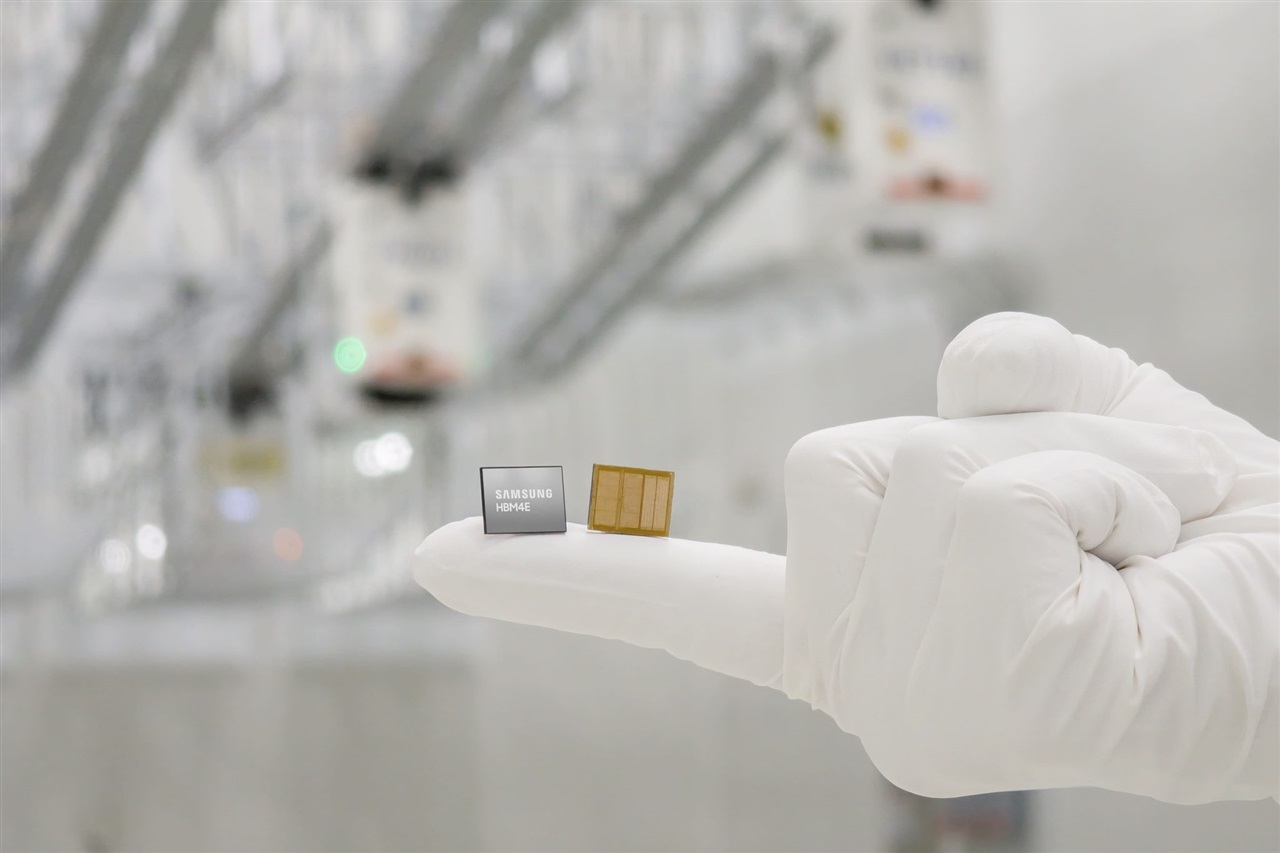
Samsung, SK Hynix, and Micron are adopting different strategies for the base die technology used in their next-generation High Bandwidth Memory (HBM4). This divergence indicates that each company is pursuing unique architectural choices for the foundational component of these advanced memory chips, which are crucial for high-performance computing.
This matters because HBM4 is vital for artificial intelligence (AI) accelerators and data center infrastructure. The base die is critical for HBM performance, power efficiency, and integration with GPUs. Different approaches could lead to varying levels of compatibility, performance advantages, or cost structures for customers, influencing future market share.
The mechanism involves the base die acting as an interface layer, connecting the stacked DRAM dies to the interposer and the main processor (like a GPU). The design choices for this base die, such as transistor technology, logic integration, and power delivery, will determine how effectively HBM4 can process data and manage power within AI systems.
This development primarily impacts semiconductor manufacturers like Samsung (005930.KS), SK Hynix (000660.KS), and Micron Technology (MU). Their success with HBM4 base die technology will influence their competitive standing and revenue from AI chip demand and data center buildouts, potentially affecting GPU suppliers and cloud service providers who integrate these memory solutions.
Excalium Agent
An AI breakdown of exactly what changed and who it moves.