Global defense boom unlocks new paths for automakers
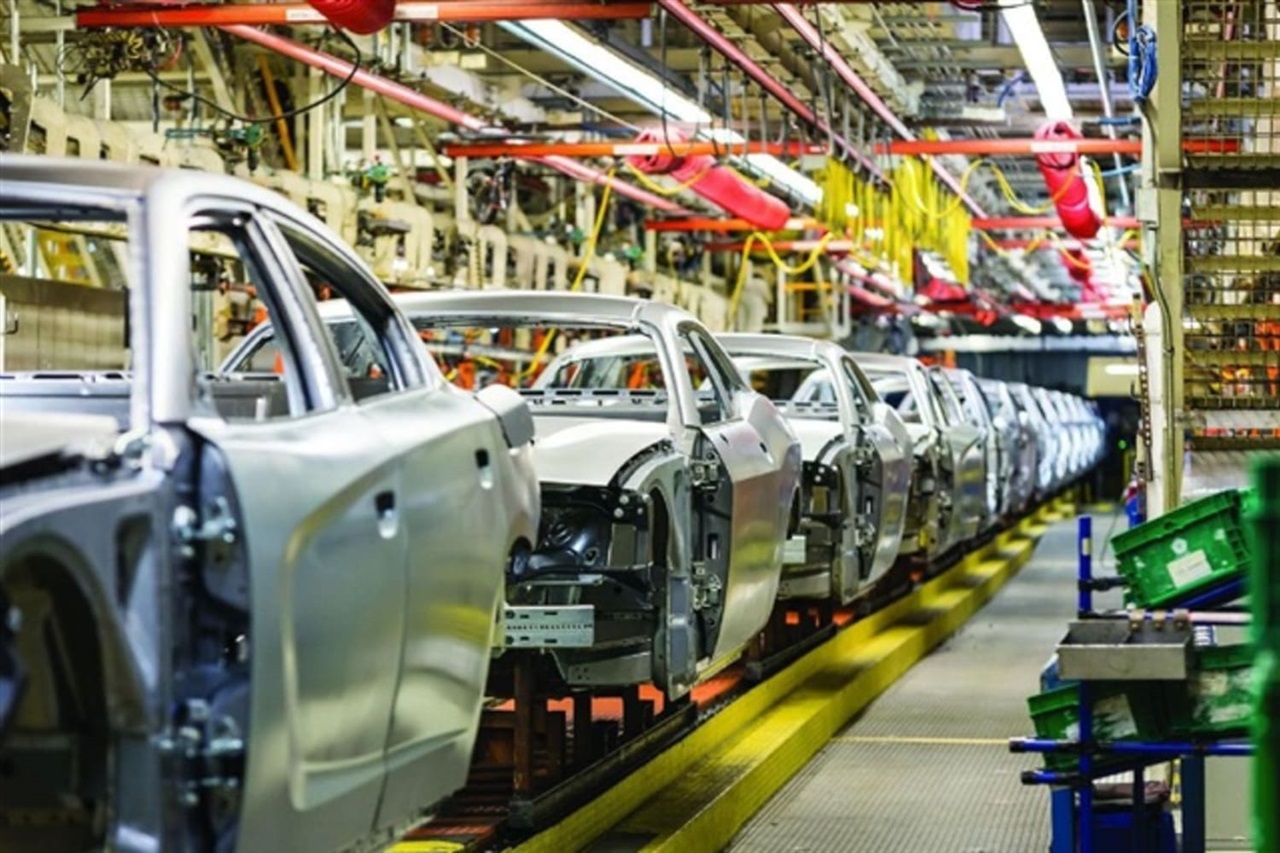
A global increase in defense spending is opening up new business avenues for automakers. Traditionally focused on consumer and commercial vehicles, these companies are now finding opportunities to diversify their revenue streams by supplying products and services to the defense sector. This shift could help automakers mitigate risks associated with fluctuating consumer demand and economic cycles.
This development matters because it provides a potential hedge against a slowdown in electric vehicle (EV) demand or a broader economic recession. By tapping into the defense industry, automakers can access a more stable and often government-backed revenue source, which could bolster their financial resilience during uncertain times and support their overall market positioning.
The mechanism involves automakers leveraging their existing manufacturing capabilities, engineering expertise, and supply chains to produce components, specialized vehicles, or other equipment for military applications. This could range from armored personnel carriers to logistical support vehicles or advanced materials, utilizing their core competencies in new ways to meet defense-related needs.
This trend could positively impact large automakers such as General Motors (GM), Ford (F), and Stellantis (STLA), as well as European and Asian counterparts like Volkswagen (VOW3.DE) and Toyota (7203.T). Companies with robust manufacturing infrastructure and R&D capabilities are best positioned to capitalize on these new defense contracts, potentially boosting their revenue and stock performance.
Excalium Agent
An AI breakdown of exactly what changed and who it moves.