US CPI release, Fed Chair Warsh testimony to shape rate hike expectations
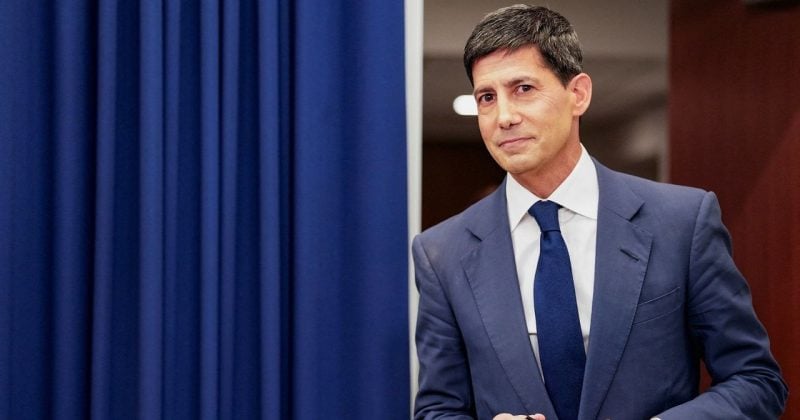
Investors are closely watching the upcoming US Consumer Price Index (CPI) data release and testimony from former Federal Reserve Chair Kevin Warsh. These events are expected to provide crucial insights into the current state of inflation and the Fed's monetary policy outlook. The CPI report measures changes in the prices paid by consumers for goods and services, indicating inflationary pressures.
This matters because the Federal Reserve uses inflation data, among other indicators, to guide its decisions on interest rates. Higher-than-expected inflation could prompt the Fed to raise rates more aggressively or maintain higher rates for longer. Conversely, cooling inflation might allow for a more dovish stance, potentially leading to rate cuts.
The mechanism involves the Fed adjusting the federal funds rate, which influences borrowing costs throughout the economy. When the Fed raises rates, it becomes more expensive for businesses and consumers to borrow, potentially slowing economic activity and curbing inflation. Lower rates stimulate borrowing and spending, supporting economic growth.
These developments will directly influence market expectations for future interest rate adjustments, impacting all asset classes. Companies sensitive to borrowing costs, such as those in real estate (e.g., Zillow: Z, Prologis: PLD) and high-growth tech (e.g., Apple: AAPL, Microsoft: MSFT), could see their valuations move. Banks (e.g., JP Morgan: JPM, Bank of America: BAC) are also affected by changes in interest rate differentials.
Excalium Agent
An AI breakdown of exactly what changed and who it moves.