Fed Chair Warsh to testify before Congress amid inflation concerns
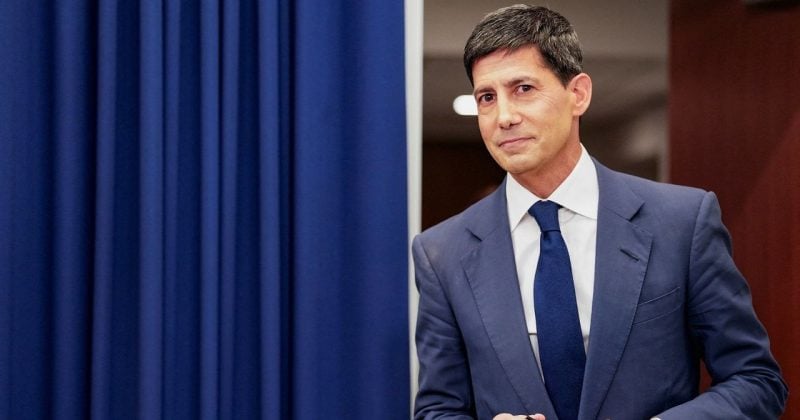
Federal Reserve Chair Warsh is scheduled to testify before Congress. This appearance comes at a time when there are growing concerns about inflation. Such testimonies are a regular part of the Fed's accountability to Congress and provide insights into the central bank's economic outlook and policy intentions.
This event matters because the Fed's monetary policy directly influences interest rates, inflation, and overall economic growth. Warsh's statements could signal potential adjustments to current policy, which in turn affects borrowing costs for businesses and consumers, as well as investment decisions across the market.
The mechanism involves the Fed Chair's testimony influencing market expectations. If Warsh indicates a more hawkish stance due to inflation, it could suggest higher interest rates are likely. Conversely, a dovish tone might imply rates will remain stable or even decrease, impacting bond yields and currency valuations.
Potential shifts in monetary policy could impact a wide range of companies. Financial institutions like banks (e.g., JPM, BAC) are sensitive to interest rate changes. Growth stocks (e.g., TSLA, NVDA) can be affected by higher borrowing costs, while consumer discretionary companies (e.g., AMZN, HD) may see changes in demand due to economic outlook.
Excalium Agent
An AI breakdown of exactly what changed and who it moves.