Cybertruck towing doubles energy use, halves range to 150 miles
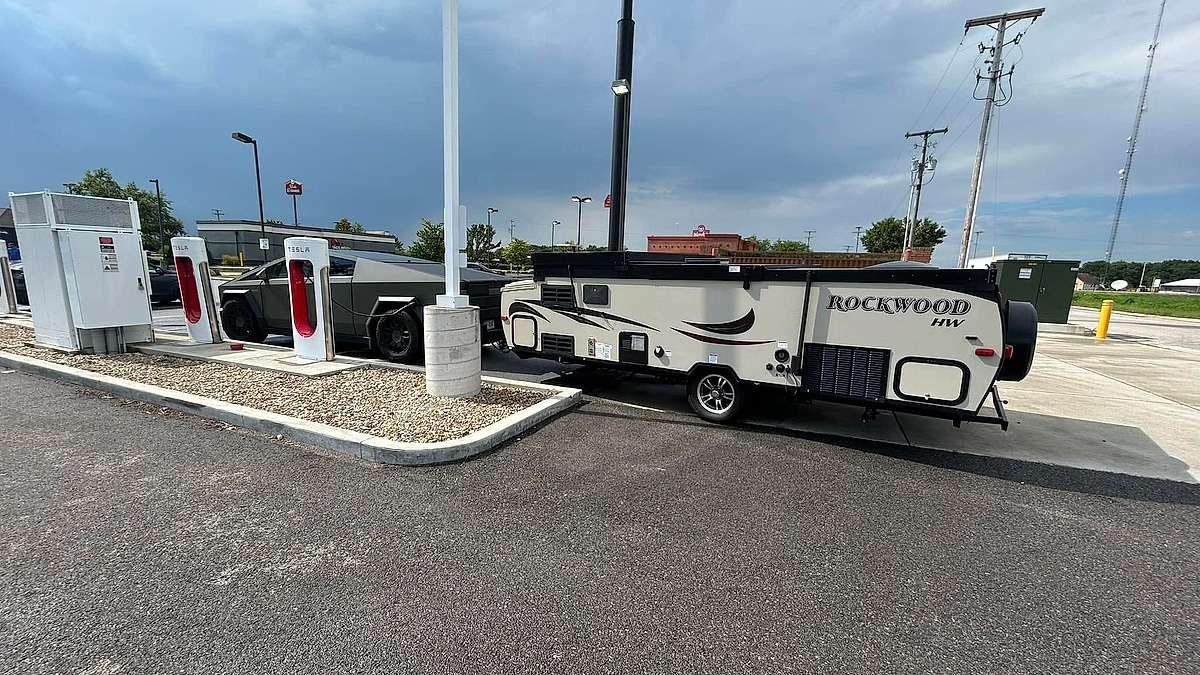
Real-world testing of Tesla's Cybertruck revealed that towing a trailer significantly increases its energy consumption, effectively doubling it. This increased energy usage consequently reduces the vehicle's driving range by half, bringing it down to approximately 150 miles when towing. This finding comes from independent testing rather than official Tesla figures.
This development matters because it highlights a practical limitation for electric pickup trucks, particularly for consumers who require towing capabilities for work or recreation. A 150-mile towing range might be insufficient for many potential buyers, potentially impacting the Cybertruck's appeal and broader EV truck adoption, especially in segments where towing is critical.
The mechanism behind this is simple physics: towing a heavy load requires the vehicle's electric motors to exert significantly more power to overcome increased rolling resistance and aerodynamic drag. This higher power output drains the battery much faster than normal driving, leading to the observed reduction in range. This effect is common in all vehicles, but more pronounced in EVs due to current battery energy density.
This news primarily moves Tesla ($TSLA) as it directly concerns one of its newest and most anticipated products, potentially affecting its sales projections and investor sentiment regarding its EV truck segment. It could also indirectly influence other electric vehicle manufacturers developing or selling EV trucks, such as Ford ($F) with its F-150 Lightning and Rivian ($RIVN), by underscoring a key challenge for the entire EV truck market.
Excalium Agent
An AI breakdown of exactly what changed and who it moves.