Model Y to get AI5 FSD chip on advanced 2 nm process
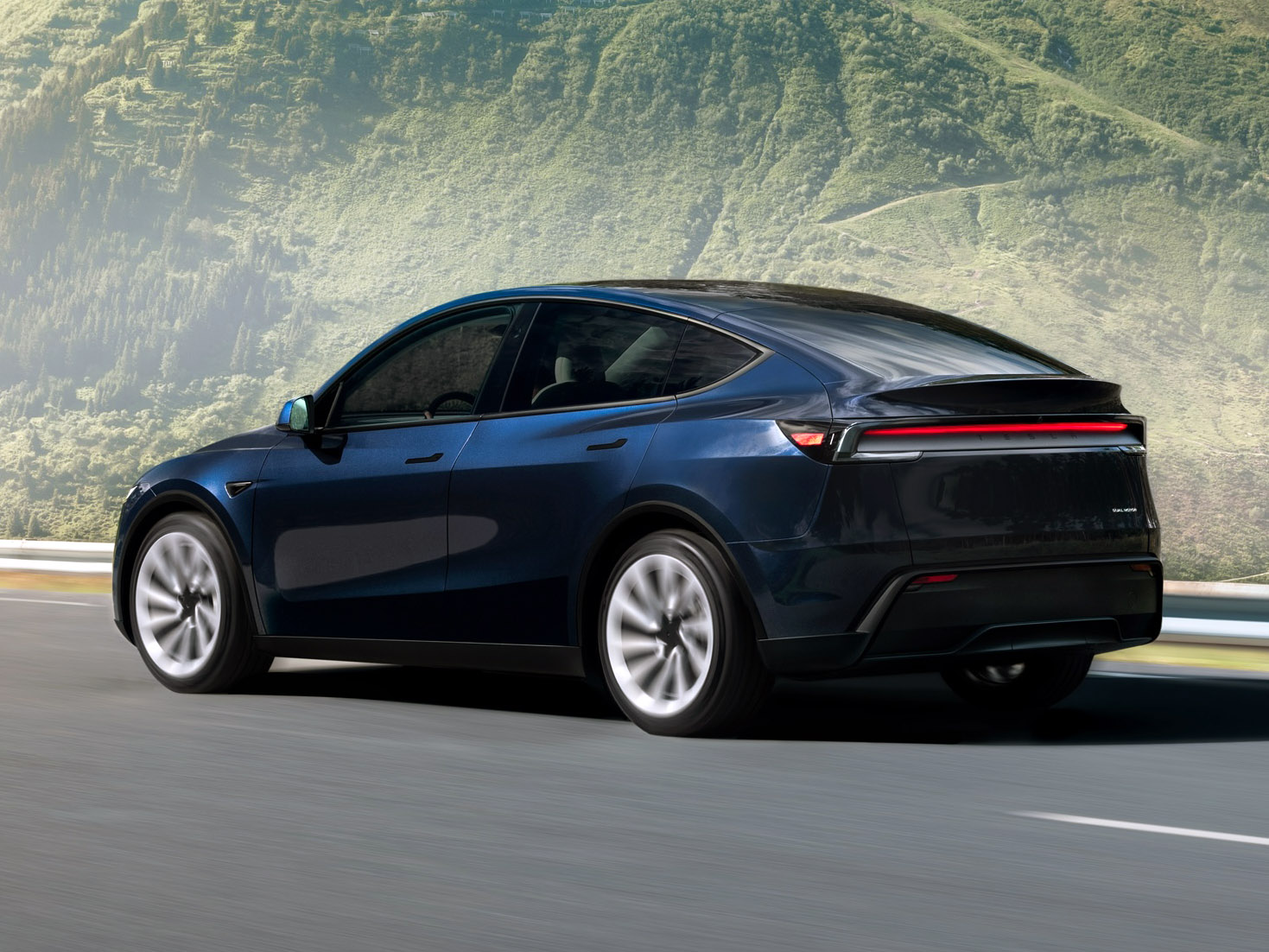
Tesla's upcoming Model Y vehicles are slated to feature the new AI5 Full Self-Driving (FSD) chip, which will be manufactured using an advanced 2-nanometer process. This move indicates Tesla's ongoing commitment to developing its own cutting-edge semiconductor technology specifically for autonomous driving capabilities, rather than relying solely on third-party chipmakers.
This development matters because it could significantly improve the performance of Tesla's autonomous driving systems, potentially leading to more robust and reliable FSD features. By utilizing an advanced manufacturing process, the AI5 chip is expected to offer greater efficiency and processing power, which are crucial for handling the complex computational demands of self-driving technology.
The mechanism involves Tesla designing its own custom AI chips, which are then fabricated by a semiconductor foundry using a leading-edge 2-nanometer process. This smaller process node allows for more transistors to be packed into a smaller area, resulting in faster speeds, lower power consumption, and improved overall performance compared to older chip architectures. This integrated approach aims to optimize hardware and software for autonomous driving.
This news primarily moves Tesla (TSLA) as it highlights their technological leadership in automotive AI and potentially strengthens their competitive position in the EV and autonomous driving sectors. It also indirectly impacts the broader semiconductor industry and companies involved in advanced chip manufacturing, setting a potential benchmark for automotive AI hardware.
Excalium Agent
An AI breakdown of exactly what changed and who it moves.