HPE, Dell aspire to quantum-classical HPC datacenter
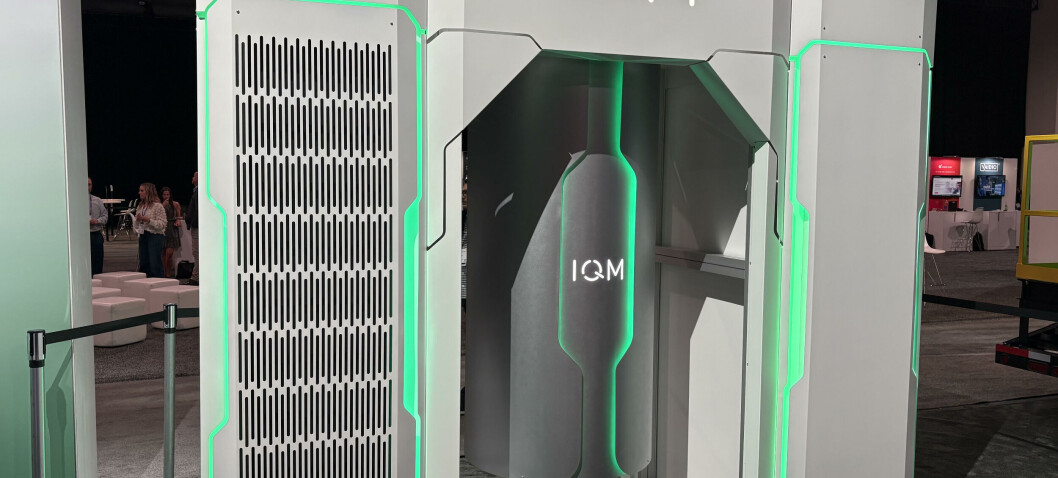
HPE and Dell, two major hardware providers, are strategically moving towards integrating quantum computing with traditional high-performance computing (HPC) within data centers. This initiative indicates a focus on developing quantum-classical hybrid systems, aiming to combine the strengths of both computing paradigms for advanced workloads. The shift highlights an industry recognition of quantum's potential alongside established HPC infrastructure.
This development matters because it could fundamentally reshape future data center infrastructure and influence enterprise IT spending patterns. By integrating quantum capabilities, these companies are preparing for a new era of complex computational problems, such as advanced AI model training and sophisticated simulations, that traditional HPC alone may struggle to address efficiently. It signals a long-term vision for enterprise computing.
The mechanism involves creating hybrid architectures where quantum processors work in tandem with classical HPC systems. This allows specific, computationally intensive tasks to be offloaded to quantum units while classical systems handle data management, pre- and post-processing, and other conventional workloads. This integration aims to leverage quantum's unique strengths for specific problem sets without fully replacing existing HPC infrastructure.
This strategic direction directly impacts companies like HPE (HPE) and Dell Technologies (DELL) by defining their future product roadmaps and market positioning in enterprise IT. It also affects other data center infrastructure providers and companies involved in AI model development, as it points to potential shifts in capital expenditure for advanced computing resources. Semiconductor companies developing quantum chips may also see increased long-term demand.
Excalium Agent
An AI breakdown of exactly what changed and who it moves.