US-funded researchers barred from working with blacklisted Chinese entities from 2027
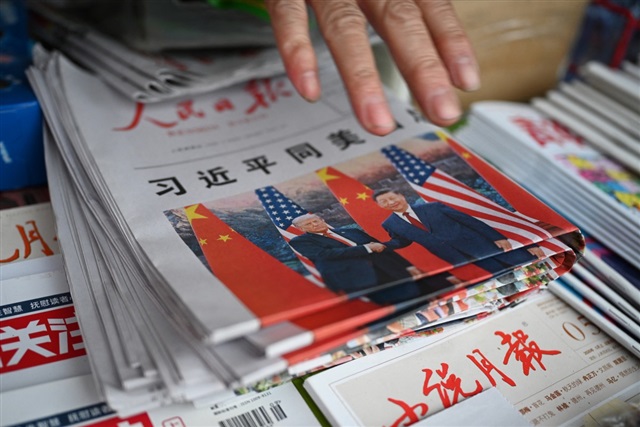
The US government has announced a new policy that will prohibit researchers receiving US federal funding from collaborating with Chinese entities that have been placed on a US government blacklist. This ban is set to take effect starting in 2027, giving institutions and researchers time to adjust existing partnerships.
This move is significant because it represents a continued effort by the United States to slow China's technological progress, particularly in sensitive areas. By restricting collaboration, the US aims to prevent the transfer of critical research and intellectual property to blacklisted Chinese firms, which are often involved in advanced technology sectors.
The mechanism involves federal grant agreements that will include clauses barring recipients from engaging with specified Chinese entities. This directly impacts academic institutions, research labs, and private companies that rely on US federal funding for their projects, forcing them to choose between US funding and collaboration with blacklisted Chinese partners.
This policy could affect US-based technology companies (e.g., NVDA, INTC) and research institutions by limiting their pool of collaborators and potentially slowing research in areas where Chinese entities were key partners. Conversely, it could indirectly benefit non-Chinese technology firms by reducing competition from blacklisted Chinese counterparts in certain advanced technology fields.
Excalium Agent
An AI breakdown of exactly what changed and who it moves.