US bars citizens from Congo returning directly, requires 21-day third-country stay
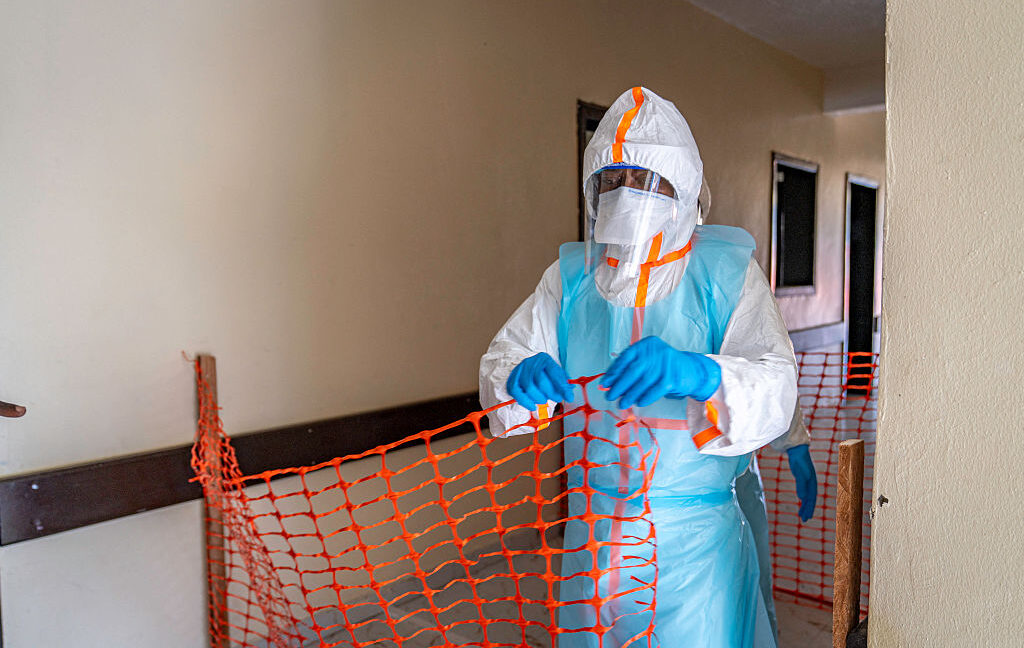
The U.S. government has implemented a new policy prohibiting its citizens from returning directly to the U.S. from Congo. Instead, travelers must spend 21 days in a third country before being allowed entry into the United States. This measure indicates a heightened level of government intervention in international travel protocols.
This development is significant as it demonstrates an increased willingness by governments to impose stringent travel restrictions, primarily driven by public health concerns. It could establish a precedent for similar policies affecting other regions, potentially leading to more complex and costly international travel logistics for individuals and businesses alike.
The mechanism behind this involves direct government mandate, likely through health agencies, requiring a quarantine period in a non-restricted country. This effectively creates a buffer zone to monitor travelers for potential health risks before they reach U.S. soil, aiming to mitigate the spread of infectious diseases.
This policy primarily impacts the airline and tourism sectors, potentially reducing demand for direct flights from Congo and increasing demand for flights to and from third-country layover destinations. Companies like United Airlines (UAL), Delta Air Lines (DAL), and American Airlines (AAL) could see shifts in their international route profitability. Tourism companies operating in or near Congo may also experience reduced bookings.
Excalium Agent
An AI breakdown of exactly what changed and who it moves.