Taiwan backs TSMC US expansion, reaffirms advanced chip leadership
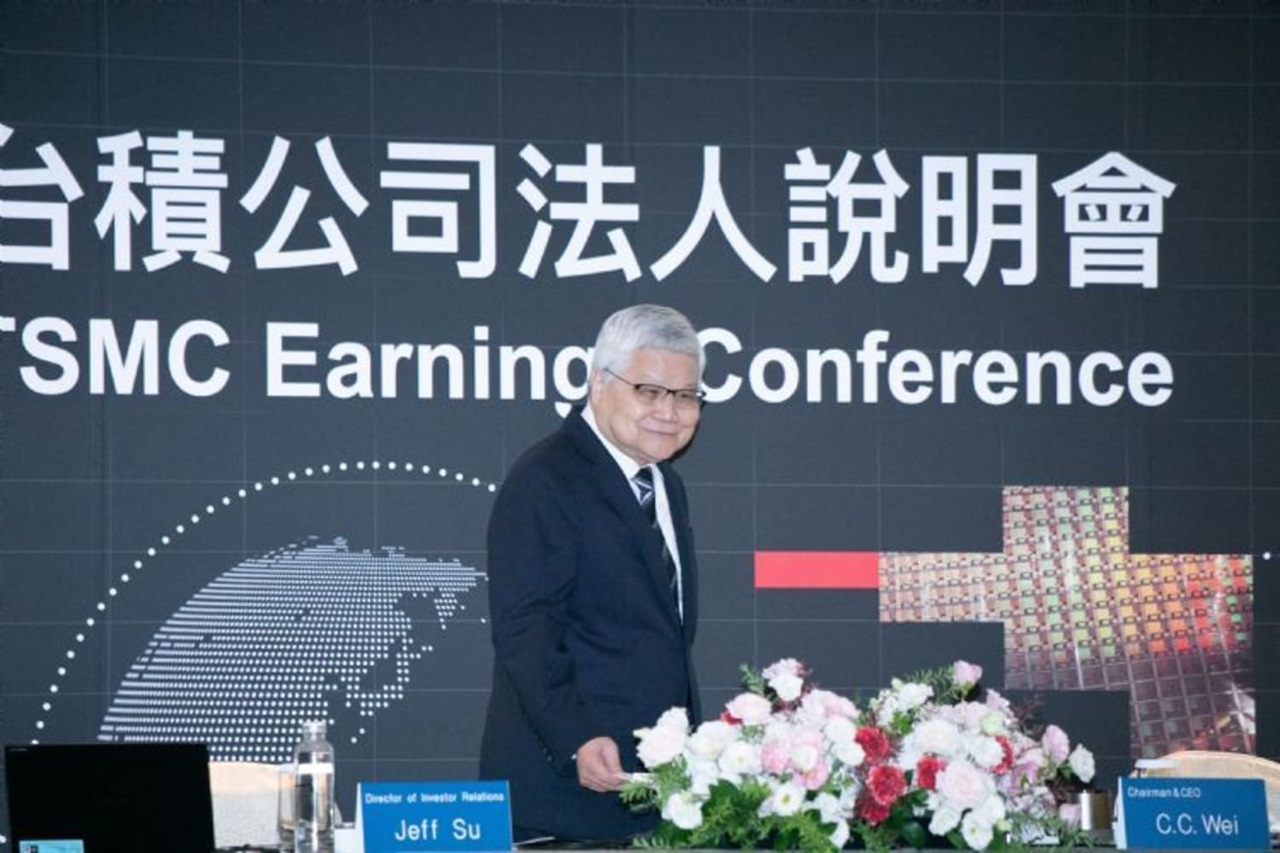
Taiwan has publicly endorsed TSMC's (Taiwan Semiconductor Manufacturing Company) expansion into the United States. This move indicates Taiwan's strategic intent to support the globalization of semiconductor manufacturing while simultaneously reaffirming its commitment to maintaining leadership in advanced chip technology within its own borders.
This development is significant because it reflects a delicate balance in Taiwan's industrial policy. It aims to enhance global supply chain resilience for critical advanced chips, which are vital for various technologies including artificial intelligence, while also securing Taiwan's long-term competitive edge in this strategic sector.
The mechanism involves Taiwan providing political and potentially other forms of support for TSMC's overseas ventures, while likely continuing to incentivize and prioritize the development and manufacturing of the most cutting-edge chip technologies domestically. This dual approach seeks to mitigate risks associated with geographical concentration and geopolitical tensions.
This news primarily impacts TSMC (TSM), signaling continued government backing for its strategic initiatives, including its US fabs. It also affects other companies in the semiconductor supply chain, such as ASML and Applied Materials (AMAT), by potentially diversifying manufacturing locations for advanced chips. The broader implications touch companies reliant on advanced chips for AI and other applications.
Excalium Agent
An AI breakdown of exactly what changed and who it moves.