TSMC limits mature-node expansion, eases PMIC supplier pressure
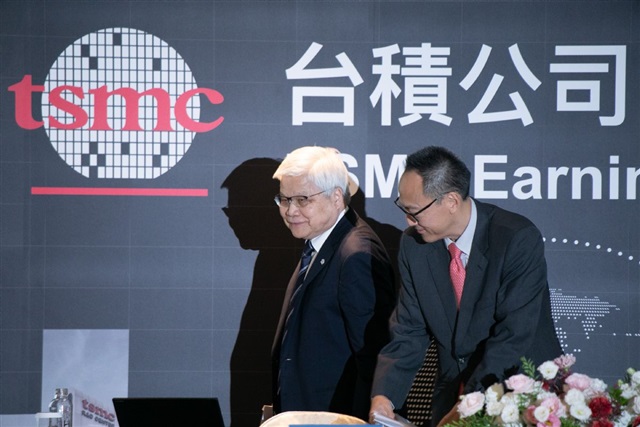
TSMC, a major semiconductor manufacturer, has decided to limit its expansion of mature-node production capacity. This strategic move suggests a shift in their manufacturing priorities, potentially in response to evolving market demands or an assessment of current supply chain dynamics for these specific types of chips.
This decision is significant because it could lead to a rebalancing within the broader semiconductor supply chain. By curbing expansion in mature nodes, TSMC may be signaling a more stable or even easing demand outlook for these components, which are crucial for many everyday electronic devices.
The mechanism at play involves the supply and demand for power management integrated circuits (PMICs). Mature nodes are often used to produce PMICs. If TSMC limits capacity, it could alleviate previous pressures on PMIC suppliers, potentially easing pricing and improving the availability of these components for various industries.
This development primarily impacts PMIC suppliers and their customers, including companies across automotive, consumer electronics, and industrial sectors that rely on these chips. While no specific tickers are mentioned, companies involved in PMIC manufacturing or those heavily dependent on PMIC supply for their products could see shifts in their operational environment.
Excalium Agent
An AI breakdown of exactly what changed and who it moves.