Flock cameras track more than license plates, spreading fast
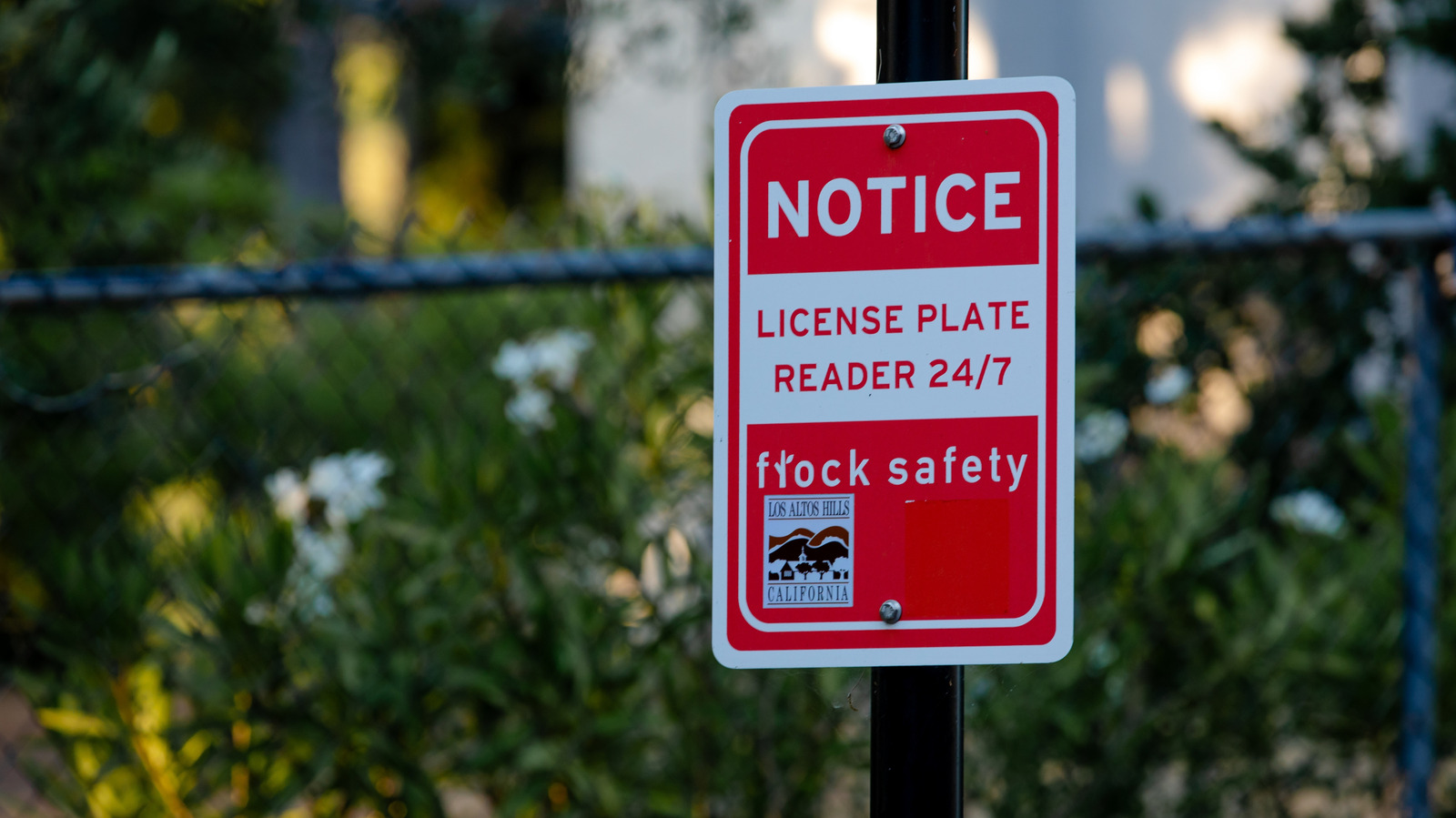
Flock Safety cameras are rapidly expanding their presence, collecting a broader range of data than just license plates. This development highlights an increasing use of surveillance technology that captures extensive information about individuals and their movements, raising questions about the scope and application of such systems in public and private spaces.
This expansion matters due to growing concerns over data privacy and the potential for widespread surveillance. The collection of detailed personal data by these cameras, beyond what is typically expected, could infringe on individual privacy rights and lead to misuse or unauthorized access of sensitive information, impacting public trust.
The mechanism involves Flock cameras capturing and processing various data points, not limited to vehicle identification. This extensive data collection could trigger increased regulatory scrutiny from governments and privacy advocacy groups. Such oversight may result in new laws or stricter enforcement of existing regulations concerning data collection, storage, and usage by surveillance technology companies.
Increased regulatory pressure and potential public backlash could impact companies operating in the surveillance technology sector, including Flock Safety itself. Stricter regulations or negative public perception might hinder market adoption of their products, potentially affecting their revenue growth and overall company valuation. Other companies in the broader data collection and security camera industries could also face similar scrutiny.
Excalium Agent
An AI breakdown of exactly what changed and who it moves.