Tesla Model Y L 3-row sales outlook in USA
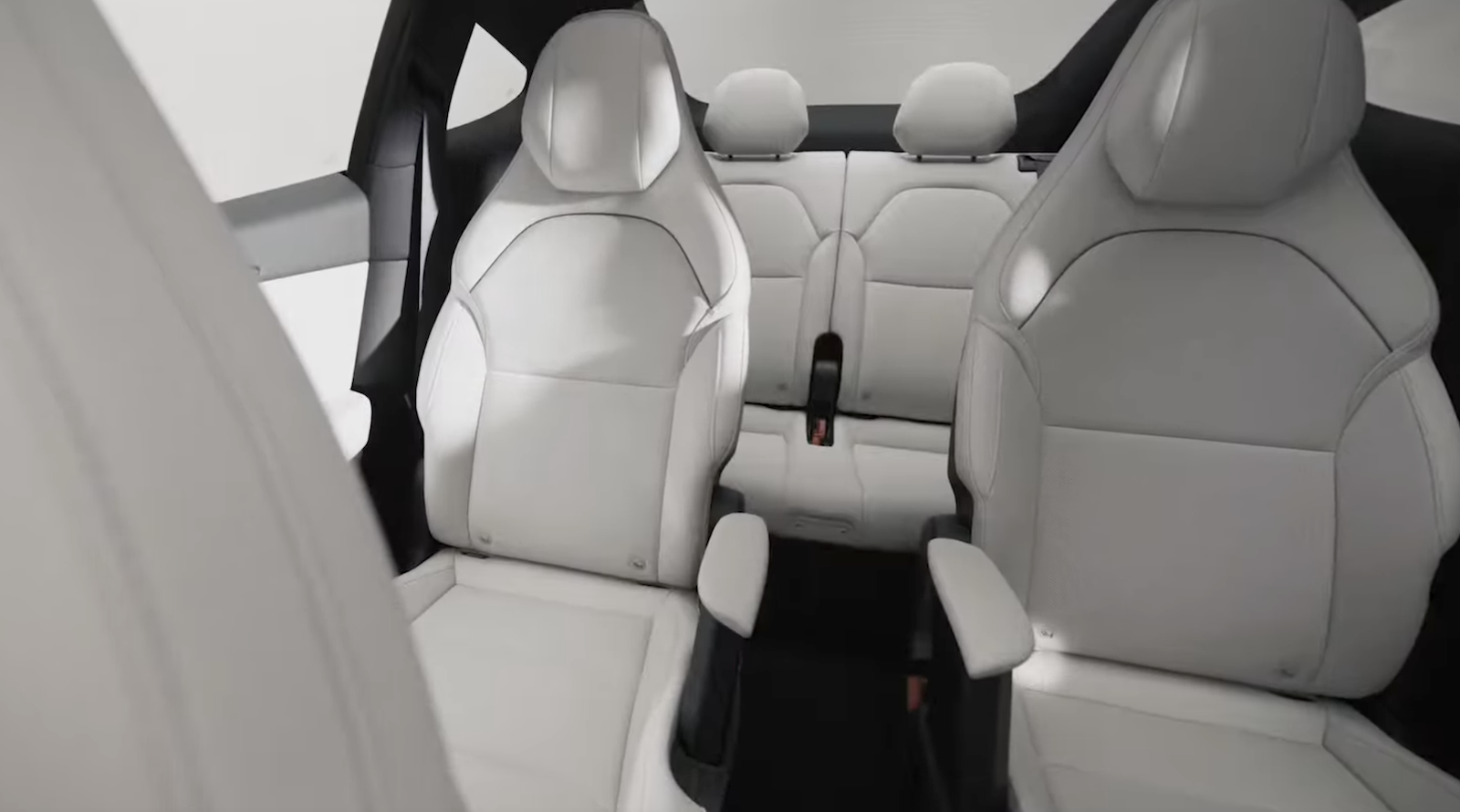
The market is observing the sales performance of Tesla's 3-row Model Y L in the United States. This variant aims to cater to a different customer segment compared to the standard 2-row Model Y. Its success will be a key indicator of Tesla's strategy to broaden its appeal within the competitive electric vehicle market.
This matters because the family SUV segment is a significant portion of the automotive market. Capturing a larger share here could substantially increase Tesla's overall sales volume and market penetration. It also reflects on consumer spending trends for larger, more versatile electric vehicles, particularly in the current economic climate.
The mechanism involves consumer adoption of the 3-row configuration. If families find the additional seating and space compelling enough to choose the Model Y L over competitors or other Tesla models, it will drive sales. This success would signal strong demand for larger EV options, potentially influencing future product development across the industry.
Strong sales for the 3-row Model Y L would positively impact Tesla (TSLA) by boosting its revenue and market share. It would also signal robust EV demand, potentially benefiting other EV manufacturers like Rivian (RIVN) and Lucid (LCID), especially those with larger vehicle offerings. Conversely, weak sales could suggest limitations in Tesla's market expansion or broader EV demand concerns.
Excalium Agent
An AI breakdown of exactly what changed and who it moves.